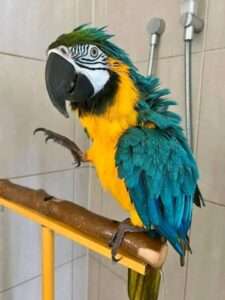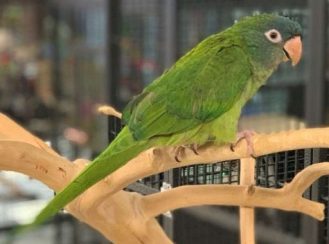
Macaw parrots feeding guide are known for their vibrant colors and striking personalities. These social birds require specific care to ensure they remain healthy and happy. A common misconception is that keeping a macaw is easy; however, healthy macaw parrots depend on reliable nutritional practices, appropriate social interactions, and a safe environment. Learning about these majestic creatures is the first step toward providing them with the quality of life they deserve.
Signs of a Healthy Macaw Parrot
Macaw parrots feeding guide It’s essential to understand what a healthy macaw looks like. Some signs of a vibrant macaw include:
- Bright, vivid feathers : Macaw parrots feeding guide Dull or faded feathers can indicate poor health or nutrition.
- Normal weight: Consult with a vet for the ideal weight range for your specific macaw breed.
- Clear eyes and nostrils: Healthy macaws should have bright eyes with no discharge.
- Active Engagement: A healthy macaw is playful, curious, and enjoys interaction.
Macaw parrots feeding guide Regular observation will help you notice any changes that could indicate health issues. If you spot anything unusual, consult with an avian veterinarian.
Diet Essentials for Healthy Macaw Parrots
Macaw parrots feeding guide A nutritious diet is a cornerstone of maintaining healthy macaw parrots. Here’s what you should include in their diet:
1. Pellets
High-quality pellets should form the base of your macaw’s diet. Look for those fortified with vitamins and minerals specifically designed for macaws to ensure balanced nutrition.
2. Fresh Fruits and Vegetables
Fruits and vegetables are vital for providing essential nutrients:
- Fruits: Apples, bananas, berries, and papaya are great options.
- Vegetables: Carrots, leafy greens, and bell peppers are nutritious choices.
3. Nuts and Seeds
While nuts and seeds can be high in fat, they should be offered as occasional treats. Consider providing macadamia nuts, walnuts, or almonds in moderation.
4. Fresh Water
Always provide access to clean, fresh water. Change it daily to prevent contamination.
Enrichment Activities for Mental Health
Macaw parrots feeding guide Keeping healthy macaw parrots involves providing them with ample mental stimulation. Boredom can lead to destructive behavior or health problems. Here are activities to keep their minds active:
- Toys: Invest in a variety of toys made from safe materials. Rotate toys regularly to maintain interest.
- Interactive Games: Engage your macaw in games like hide and seek or teaching them new tricks.
- Out-of-Cage Time: Allow them to spend time outside their cage when safely supervised to explore and interact.
Tips for Activities
- Schedule daily playtime.
- Encourage foraging activities by hiding treats in their toys.
- Use puzzle toys to stimulate your bird’s intellect.
Regular Veterinary Care
Macaw parrots feeding guide Routine visits to an avian veterinarian are pivotal for maintaining the health of macaw parrots. During these visits, vets can:
- Assess overall health.
- Provide vaccinations and parasite treatments as needed.
- Offer dietary advice tailored to your macaw’s specific needs.
Establish a good relationship with a bird-savvy vet and schedule check-ups at least once a year.
Creating a Safe Environment
A safe and secure home environment plays an important role in keeping healthy macaw parrots. Consider the following:
- Cage Size: Provide a spacious cage that allows for movement and exercise. It should be equipped with various perches and toys.
- Safe Materials: Ensure all materials inside the cage are non-toxic and safe for chewing.
- Avoid Hazards: Keep chemicals (cleaning supplies, etc.) and other potential hazards out of reach.
- Environmental Stability: Avoid drafts and extreme temperature changes by placing the cage in a stable environment.
Conclusion
Caring for healthy macaw parrots involves a balanced diet, enrichment activities, regular veterinary care, and a safe living environment. These factors combined will help you nurture a vibrant and thriving macaw. Remember, your feathered friend’s well-being is closely tied to the love and attention you provide. Keep learning about what makes healthy macaw parrots so special, and engage with your community of fellow bird enthusiasts. Share your experiences and tips with others to contribute to the well-being of these incredible birds!
Feeding Pet Macaws
heightened awareness of the importance of nutrition and from increased research into birds’ different needs. As with all other animals, birds need a proper balance of carbohydrates, proteins, fat, vitamins, minerals, and water. Different species of birds often require different foods.
There are over 17 species of macaws in the wild. Their native habitat ranges from Mexico and Central America to the rainforests of South America. The Hyacinth Macaw is the largest parrot in the world. They can weigh up to 4 pounds (1.8 kg) as an adult and their length from head to tip of the tail can reach 3 feet (91.44 cm). The most common of the large macaws kept as pets are the blue and gold macaw, scarlet macaw, military macaw, and green-winged macaw
Should I be concerned about what my macaw eats?
Nutrition is commonly neglect with pet birds. You should discuss your bird’s nutrition with your veterinarian. Too often, owners assume they are feeding a proper diet to their macaw when, in fact, they are not.
Poor nutrition is a common reason for many health problems in birds. You should continually strive to improve your bird’s diet by educating yourself about new concepts in bird nutrition as well as by applying a certain degree of common sense. Birds need to consume more than seed, nuts, and water to stay healthy. Your bird’s health depends on how well it is fed.
What do wild macaws eat?
Wild macaws feed in the treetops and eat a variety of seeds, nuts, fruits, berries, leaves, and other vegetation. Their favorite food in the wild is palm nuts. They require a higher level of fat than many other bird species and consume more nuts as part of their diet in the wild. They are opportunistic feeders, so what they eat varies with food availability during different seasons.
What should I feed my macaw?
Macaws are vulnerable to high cholesterol, atherosclerosis (buildup of fat and cholesterol in and on artery walls), stroke, vitamin A deficiency, insufficient dietary calcium, egg binding, and other nutrition-related problems. A well-balance and varied diet must always be maintained for these birds to stay healthy.
Pelleted Diets
The recommend diet for macaws is pellet food formulated for birds. Several brands of pellets are available commercially in different shapes, sizes, and colors.
Pellets have been develope to meet most of your bird’s nutritional needs. Hand-raised babies should be start on pellet diets. Mature macaws may be difficult to convert to pelleted diets. Different formulations are available for different life stages. Pellets are the ideal base diet. Therefore, seed-eating birds should be slowly wean off seeds onto a pellet diet.
Pellets should ideally represent approximately 75%–80% of the bird’s diet, with vegetables, nuts, and a small amount of fruit making up the remaining 20%.
Seeds and Nuts
Macaw parrots feeding guide Seed are highly palatable and preferred by birds, but nutritionally they are incomplete, lacking vitamins, minerals, and protein. Seeds should only be a very small part of a balance diet but should never be the entire diet. Wild macaws eat a great variety of seeds and nuts as different plants come into season. Commercial seed and nut mixes tend to be high in fat and provide a limited or imbalanced source of many nutrients if fed as the only food, which ultimately could lead to ill health and potentially shorten lifespan.
A macaw will often selectively eat only one or two of its favorite types of seeds or nuts from these mixes, such as sunflower seeds and peanuts, which are not only high in fat, but also deficient in calcium, vitamin A, and several other nutrients. Healthy molts, disease resistance, and a long lifespan are typically achieve in birds fed a balanced diet year-round.
Fruits and Vegetables
Fruits, vegetables, and greens should account for no more than 20%–40% of the daily diet. Pale vegetables with a high-water composition, such as iceberg or head lettuce and celery offer very little nutritional value and should not be offered to your cockatoo. Both avocado and onions are potentially toxic and should never be offer to a bird.
Fruits and vegetables must be wash thoroughly to remove chemicals and potentially harmful bacteria before feeding your cockatoo. The should be cut into small pieces appropriate to the size of the bird. It is not necessary to take the skin off. Fruits and vegetables may be fed in a separate dish. Fruits are high in water content and natural sugar so they should be fed in limited quantities.
How do I convert my bird to a pelleted diet?
Converting seed-eating birds to a formulated diet is not always easy. Initially, birds may not even recognize pellets as food. Pellets and seeds may be mixe as birds will simply pick out the seeds that they like while being introduce to the look and smell of the pelleted diet.
Pellets may also be offer first thing in the morning, before other foods, when your macaw is most hungry. Since macaws are very social and love to eat with their owners, you can pretend to eat the pellets at the same time you offer them to your bird. When they see you eating them, they may be more willing to try them.
You can also grind up the pellets into a fine powder that you can sprinkle on a small amount of any moist food that your bird likes to eat (e.g., vegetables, fruit, cooked egg, pasta). If your bird eats the pellet-coated food, you can gradually grind the pellets into larger chunks, and mix them with smaller amounts of moist food over time, so that ultimately you are offering nearly all pellets with minimal amounts of moist food mixed in.