Cockatiel there’s a reason why the cockatiel is one of the most popular companion birds — this slender Australian parrot can be both cuddly and bold. Cockatiels can also be curious and, at times, feisty. With a cockatiel in the house, you are likely to hear a repertoire of chirps and whistles.
What Is A Cockatiel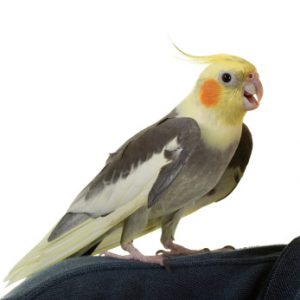
Cuddly, outgoing, and comical are just three reasons why the cockatiel is the No. 1 pet bird in America. Cockatiels are also talent whistlers, and male cockatiels in particular are known for their whistle serenades, which can be direct at their favor person, their favorite object or their mirror reflection. When not whistling or keeping themselves busy foraging for food and fun around the cage, cockatiels often enjoy spending their downtime snuggling on their favor person’s shoulder. A healthy, well-socialize cockatiel can make a great family pet and is also ideal for apartment living.
Native Region / Natural Habitat
Cockatiels are native to the semi-arid regions of Australia. This open environment might be a reason why cockatiels don’t have the ear-piercing screech of parrots originating from dense rain-forest habitats. Wild cockatiels fly to the ground to forage for food. Cockatiels readily breed in the wild, and they are also easy to breed in captivity, which makes them widely available as pets at a lower cost than most other parrot species. Wild cockatiels are always on alert for predators and are light sleepers. A pet cockatiel might have an occasional night-fright episode, where it thrashes around the cage at night as if startled. You can help your cockatiel find its way back to its perch by leaving a night light on in its room.
Care & Feeding
A cockatiel needs a cage spacious enough to accommodate multiple perches, toys, food bowls and have plenty of room to flap its wings without hitting them against anything. A cage with a large door front is ideal because it makes it easier to return a cockatiel to its cage, especially since cockatiels can be flighty birds. Cockatiels are natural ground foragers and will forage on the bottom of the cage if given the opportunity; cover the cage floor with newspaper and sprinkle crumble treats or millet sprinkle seed for your cockatiel to find. Cockatiels are social birds and thrive when given opportunities to interact with you, whether it is gently petting their cheek feathers, being talked to or simply being in the same room as you.
A healthy cockatiel diet includes commercially balanced diets, such as Lafeber Premium Daily Diet Pellets, as well as other food, fresh vegetables and some seed. A well-care-for cockatiel can live for more than 20 years.
Personality & Behavior
The position of a cockatiel’s crest feathers can tell you its mood. Straight-up crest feathers can mean the bird is startle or highly curious. A defensive cockatiel will hold its crest feathers flatten close its head, and it might be especially stress if it also hisses. A relax cockatiel will have slightly back crest feathers, as well as fluff cheek feathers and you will also hear it content grinding its beak.
Toys design to be destroy by small beaks are perfect for cockatiels and include pieces of paper, cardboard of soft wood or non-toxic rawhide to chew up. Cockatiels also like toys with hard-plastic elements, such as beads to fiddle with. Male cockatiels often seek out mirrors and other reflective items to whistle to. A cockatiel might be incline to fly down from its cage or playgym onto the floor, so be extra cautious whenever your bird is out of the cage so you don’t step on it and that other pets, such as cats or dogs, cannot get to it. A female cockatiel might seek out a dark, enclose area to nest in, such the corner of a cabinet.
Speech & Sound
Cockatiels are more incline to whistle than talk. Male cockatiels are more likely to talk than females, and some can learn to speak a few words or phrases. Cockatiels tend to chirp rather than screech, and their relatively lower noise volume makes them a good apartment pet. Your cockatiel might chirp a contact call if you leave the room in an attempt to keep in contact with you.
Cockatiel Care Sheet
Cockatiels are intelligent, social, and affectionate birds, making them excellent pets for most households. When properly socialized, cockatiels bond easily with humans and enjoy daily handling.
Female cockatiels are chronic egg-layers and often lay infertile eggs (when not housed with fertile males) every other day. Egg-laying can deplete vital minerals and calcium in female birds’ bodies and cause egg binding, a serious condition in which the bird cannot pass an egg and should see a veterinarian as soon as possible.
Cockatiels have sensitive respiratory systems and should be kept away from products that potentially emit toxic fumes, such as appliances with nonstick coating, candles, air fresheners, and aerosol sprays.
Cockatiel Care and Feeding
This is your bird’s primary source of food and nutrition. Remove old food and refill with fresh food daily. Keep the bowl about ¾ full so your bird can eat whenever they’re hungry.
Cockatiel NATURAL HABITAT
Cockatiels are native to the arid regions of Australia, specifically in the inland areas of the country. These charismatic birds inhabit a variety of habitats, including open woodlands, savannas, and scrublands. With their adaptable nature, they can thrive in both the coastal regions and the drier interior parts of Australia. They are often found in areas with access to water sources like rivers, creeks, and waterholes. These intelligent pets are social birds and are commonly seen in small flocks or family groups. Their natural habitat provides them with an abundance of grasses, seeds, fruits, and insects, which form the basis of their diet.
COCKATIEL INTELLIGENCE & PERSONALITY
The world over, the small crested cockatiel has charme and bewitche humans with its intelligence and friendly nature. These Australian parrots are characterised by their smart brains and calm, sociable dispositions, traits that make them a joy to interact with. They’re considered suitable beginner parrots and make great pets.
COCKATIEL TALKING ABILITY
These small parrots display a modest aptitude for human language, with an average vocabulary of around 25 words. Many males, especially when they’re still young, can quickly learn to articulate easy words, song tunes and short phrases, such as ‘hello’ or ‘pretty bird’. But be careful what you wish for once they’ve mastered these; they’ll want to chime into your conversations whenever they get the chance.
These parrots, like many other species, also exhibit a penchant for mimicking household sounds. Whether it’s the low hum of a microwave, the telephone ringing or the dog barking, they’re keen observers and seem to enjoy imitating the sounds they hear around them on a daily basis.
COCKATIEL FEEDING AND SUPPLEMENTS
While pellet diets offer a relatively balance feed for your cockatiel, they lack phytonutrients, the antioxidant pigments found in vegetables, fruits, grains, and seeds. This means you should supplement your bird’s diet with other foods.
You can enhance your cockatiel’s diet with a high-quality seed mix and plenty of healthy green foods. They enjoy dandelion leaves, weeds carrot tops, celery, watercress, spinach, peas, seedling grasses, and millet.
Fruits like apples, oranges, and bananas also make for a tasty treat.
A cuttlebone is a beneficial addition to their cage—it not only provides calcium but also helps keep their beaks trim.
Protein-rich foods can help with moults and support laying hens. You can offer mynah pellets, game bird starter, dog food, and even mash hard-boiled eggs.
COCKATIEL FACTS
- Of all the small birds, they produce the most bird dander or dust. This is indicative of a healthy bird, and the ‘powder’ makes their feathers silky-smooth. This means you may want to install an air filter!
- These birds are particularly skittish and may have night frights, which involve panicked thrashing and may cause injury. Providing your parakeet with a night light helps them keep an eye on their surroundings and can help prevent night frights.
- Like many parrots, these little birds are crepuscular. This means they’re most active around dawn and dusk. These are also the times you can expect your bird to make the most noise!
- They are actually members of the cockatoo family, although they’re the only species in their genus Nymphicus. They’re by far the smallest of the cockatiels.
njnirgwvdmdlysynfxzmkujylpsufp