
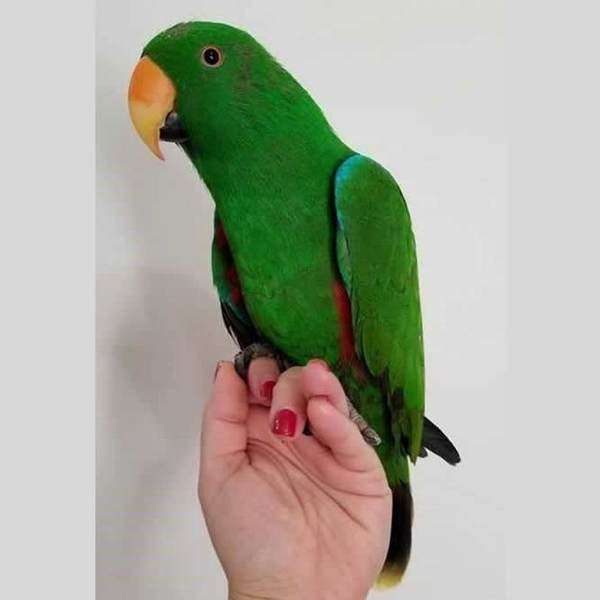
Eclectus parrots for sale are Charming, eye-catching, and intelligent birds that make impressive pets. Their beautiful colors, talking ability, and loveable personalities have gone a long way. In establishing them as one of the most popular pet parrots available. Our Eclectus is hand raised and tamed very friendly and intelligent bird species that are often describe as gentle, tranquil, and caring. Many thrive on the time they get to spend with their owners and do well when the time for socialization is incorporated into a daily routine.
Eclectus Parrot: Bird Species Characteristics and Care
Charming, eye-catching, and intelligent, eclectus parrots are captivating birds that make impressive pets. Their beautiful colors, talking ability, and lovable personalities have established this bird as one of the most popular pet parrots. This bird is one of the larger parrot species, and it does require the right owner with plenty of time and space to house this bird.
Origin and History
Eclectus parrots live in tropical rainforests and originated in the Solomon Islands. Wild populations also live in northeastern Australia, Indonesian, the Moluccas, and New Guinea. Its name “eclectus” is derive from the word “eclectic” since the male and female species look so different.
In their native monsoon forests, eclectus nest high up in the trees. They usually manage to find a deep nest hole in a tree where they can lay their eggs and raise a family.
There are several eclectus parrot subspecies. The Solomon Island eclectus is the most common one in the pet trade.
Temperament
The eclectus is a very friendly and intelligent bird species described as gentle, tranquil, and caring. Eclectus parrots are also affectionate but are not very cuddly. Most thrive best when socialization is part of their daily routine.1 They cherish the time they spend interacting with their families. They are also sensitive and can quickly become stressed if they feel neglected.
This bird will quickly learn the routine and what to expect in your household. They enjoy the comings and goings, as well as being a part of it.
Around 18 months of age, Eclectus parrots begin to reach sexual maturity. Sometimes this brings with it some aggression or the instinct to “feed” whatever is nearby. You may notice some naughty nipping behavior. This period is called bluffing, and it is best to ignore it and turn to distraction techniques instead of reinforcing it. With time, they pass through the phase and learn what’s acceptable.
While both males and females make lovely pets, many owners claim males tend to be a bit more trainable and agreeable. On the flip side, females may be less dependent on their owners and tend to handle stress better. Females may also be bossier and more aggressive than a male, particularly during breeding. Even in captivity, a female’s nesting instincts remain strong. You might find her trying to nest in secluded areas of your home.
Speech and Vocalizations
Eclectus parrots join Amazons and African greys as one of the best species for learning to speak. They are quick to learn almost anything you want to teach them. Many people find them to be on the quieter side when compared to other parrots. They have a distinctive honk and other vocalizations that can be amusing the first few times, but loud and startling.
How to Teach Your Pet Bird to Talk
Eclectus Parrot Colors and Markings
Eclectus parrots are known as sexually dimorphic, meaning you can tell the sex of the bird by its physical characteristics. Male eclectus birds are a brilliant emerald green color with bright orange beaks and splashes of red and blue under their wings. By contrast, the females are mostly bright red with black beaks and deep purple markings on their chests and tails. Before the early 20th century, since the male and female birds look so different, they were thought to be entirely two different species.
Instead of distinct lines found on many birds’ feathers, Eclectus feathers seem to blend. Their coloring makes for brilliant camouflage in their native habitat; you can often hear them before you can see them.
Caring for an Eclectus Parrot
Most Eclectus parrots can live in a multi-bird household. But some have jealous tendencies. Make sure to give an eclectus your undivided time and attention when introducing your eclectus or any new bird or your aviary.
An Eclectus parrot lives best in an aviary—11 feet long by 3 feet high—especially if you keep a pair. These birds like to fly, climb, and stay busy. If you do not have room for an aviary, then make sure the cage you provide is at the minimum 2 feet long by 3 feet wide and 4 feet tall.
Eclectus parrots can be a good fit for households with children due to their gentle nature. However, they don’t like to be startle and prefer a calm environment. They are not big fans of constant loud noises like barking, crying, or screaming. Thus, it’s essential to consider if your family dynamic is a good match for the bird.
Common Health Problems
Eclectus parrots are unique in that they sometimes exhibit toe-tapping and wing-flipping. This behavior is similar to feather plucking, which is a common issue with parrots that feel neglected. However, when all three of these actions occur in an eclectus, it can be a sign of a severe health issue. Probable causes include stress and nutritional deficiencies caused by excess vitamins and minerals (like vitamin A), fortified foods, or artificial ingredients as well as eating foreign objects like beads. It’s vital to see an avian vet right away.
Other health conditions that Eclectus parrots are prone to include:
- Avian polyomavirus, an infection that causes skin tumors
- Constricted toe syndrome, a condition that causes circulation to be cut off to the bird’s toe
- Psittacine beak and feather disease, a viral immune system disease
Diet and Nutrition
In the wild, these birds prefer pomegranate, papaya, and figs, though they’ll also eat flowers, buds on trees, and a few seeds. When kept as a pet, their diet must include fresh fruits, vegetables, and carbohydrates. Cooked pasta or grain bake—a homemade casserole just for birds—will ensure they get all the necessary carbs.
The eclectus has a specialized digestive tract that is different from many other bird species. This bird needs to be fed a diet high in fiber and low in fat. It’s also best to avoid too many vitamin and mineral supplements, which could lead to digestive tumors.
What Do Eclectus Parrots Look Like?
Due to a trait known as sexual dimorphism, Eclectus parrots are one of the few parrot species where males and females look completely different. Males boast vibrant green feathers with red and blue accents, as well as orange beaks, while females are mostly red and purple with black beaks. While both are beautiful, the stark difference between male and female Eclectus is often a surprise to new bird owners.
Do Eclectus Parrots Make Good Pets?
Eclectus parrots can make excellent pets for bird lovers who are commite to understanding and meeting their needs. These birds are known for being calm, intelligent, and observant. They often spend time quietly watching their surroundings before engaging, and can form deep bonds with their favorite people. While not usually as high-energy or constantly playful as conures or cockatoos, Eclectus parrots do enjoy interactive time and can learn words and routines with regular engagement. They are less prone to constant vocalizing, but they’re fully capable of making themselves heard when they want to—especially if they’re startle or seeking attention.
Do Eclectus Parrots Like Attention?
Eclectus parrots are social, but their way of bonding may be more reserve than some other companion parrots. Many enjoy being near their humans and participating in the household routine, but they often prefer a calmer pace and may not enjoy being handled excessively. Overstimulating environments or too much activity can lead to stress or feather plucking. For that reason, they tend to thrive in homes where they get regular interaction, gentle affection, and a consistent daily rhythm.
Diet Requirements of Eclectus Parrots
Unlike many other parrots, Eclectus parrots have a longer digestive tract that could make them particularly sensitive to certain foods and additives—and a poor diet can lead to behavioral issues, feather discoloration, and even serious illness. They thrive on high-quality diets that avoid artificial ingredients and are supplement with plenty of fresh fruits and vegetables, such as dark leafy greens, carrots, sweet potatoes, bell peppers, and berries.
Potential Health Problems in Eclectus Parrots
Eclectus parrots are particularly sensitive to dietary imbalances, and health issues often stem from nutrition-related causes. Common concerns include toe tapping and wing flipping, which are neurological symptoms that may be cause by over-supplementation or exposure to synthetic vitamins and preservatives. Feather plucking is another issue that may be trigger by stress, boredom, or inappropriate diet. Because Eclectus parrots’ feathers are especially fine and dense, changes in the condition of their plumage are often an early sign of health problems. If you notice behavioral changes, feather damage, or signs of digestive upset, contact an avian vet right away.
How Much Space Do Eclectus Parrots Need?
Although Eclectus parrots are consider medium to large in size, their activity level and need for enrichment mean that they require a spacious living environment. A roomy cage with multiple perches, foraging toys, and opportunities to climb and chew is a must. These parrots need several hours of supervised out-of-cage time each day to stay healthy, mentally stimulated, and physically active. Rotating toys and rearranging cage accessories regularly can help prevent boredom and promote curiosity.
Lifespan of Eclectus Parrots
With proper care, Eclectus parrots can live for 30 years or more in captivity. Their long lifespan means that choosing an Eclectus is a long-term commitment—one that requires planning for their care well into the future. Make sure you’re ready for that level of responsibility before bringing one home.
Is an Eclectus Parrot Right for You?
An Eclectus parrot may be a great fit for your home if you looking for a quieter more independent parrot with a calm personality. They’re ideal for bird lovers who enjoy preparing fresh meals and maintaining a predictable routine. If you’re willing to invest the time to understand their dietary needs and unique behavior you’ll be reward with a thoughtful observant, and beautiful avian companion.
Eclectus Parrot Information
Sexually dimorphic with roughly ten sub-species which all stem from the dominant race of the “grand Eclectus”. They can be found in many locations around the world such as New Guinea, the Solomon Islands, Cape York Peninsula and Australia. For these birds, intelligence is the key. In Australia Red sided Eclectus are the most common follow by the Vosmaeri Eclectus, sadly a lot of people are being sold birds online from websites etc believing they have purchased a different sub species such as Grand Eclectus or Vosmaeri but they are actually red sided Eclectus.. These birds are very difficult to tell apart with an untrained eye, I have not found any difference between temperament with the different species.
The Eclectus parrot
In the wild they are arboreal rainforest birds living in small family groups spending the majority of their time in the treetops.
Eclectus parrots as pets are beautiful to look at as well as being an active member of the family! They live for around 45 years and are reasonably easy to breed. They are very good talkers and will always surprise you with how fluent their words are pronounce.