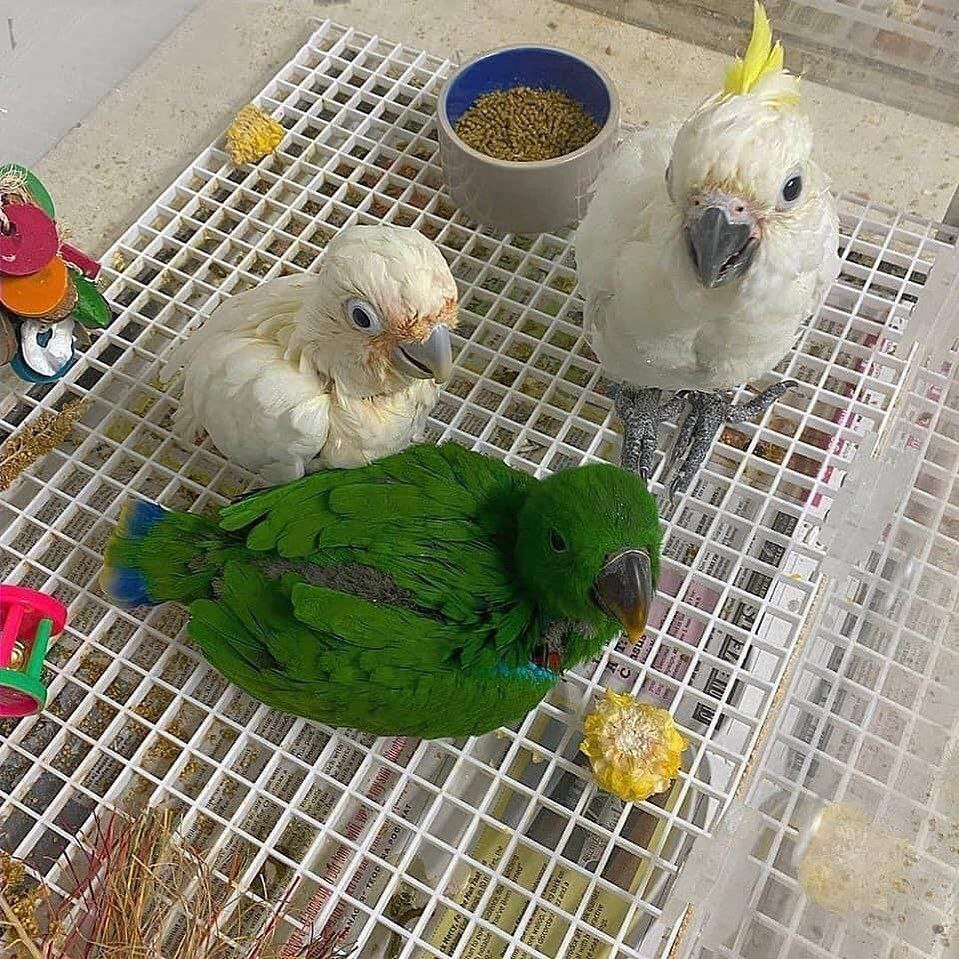
Parrot diet and nutrition An imbalance or incomplete diet is a common problem with pet birds and is a relatively common cause of illness.1 There is a lack of scientific study on avian nutrition, especially as it relates to the different species. While our avian nutrition is still in the early stages, most experts agree that a good diet for parrots begins with a formulated diet with a variety of other foods added as supplements.
Seeds
For most pet birds, especially parrots and parakeets, a diet based primarily on seeds is deficient in many nutrients, including vitamin A and calcium, and is too high in fat. This is not to say that seed does not have a place in avian diets, but many birds come to prefer them to the exclusion of other healthy choices and can be fussy when it comes to trying a varied diet. Some birds will even pick out a couple of favorites from a seed mix, which further reduces the nutritional balance in the diet. When it comes to parrot nutrition, consider seeds to be like junk food: birds love them, but they are not the healthiest diet.
Formulated Diets
A number of years ago, realizing that many parrots were suffering from nutritional deficiencies, companies began producing pelleted diets for pet birds. These are made from a variety of foods including grains, seeds, vegetables, fruits, fortified with vitamins and minerals, and are bake into pellet or variety of other extruded shapes. These provide a balanced nutritious diet and prevent birds from picking out their favorite food items and leaving the rest. However, many birds, especially those started on a seed-based diet, do not readily take to eating a formulated diet. As well, formulated diets,
Vegetables
Fresh vegetables are a great addition to your bird’s diet. Not all vegetables are equally nutritious though; vegetables like celery and lettuce are high in fiber and water but are otherwise not all that nutritious. Dark yellow and leafy green vegetables are usually excellent choices. You can offer vegetables in a variety of forms to entice the bird to try them—fresh whole or chopped or cooked and fed slightly warm. Try hanging vegetables from the side of the cage in a clip, or offering them in chunks that larger birds can pick up with their feet to gnaw on. You may need to be creative to get them to try things and the aim is to get your bird to eat as many different kinds of vegetables as possible. Try a variety of vegetables such as:
Other Foods
Birds can also be fed a variety of nutritious grains such as cook brown rice quinoa oats, wheat, barley and pasta. Whole wheat bread and unsweeten whole wheat cereals can also be offer. Cooked legumes such as beans, lentils, and peas are an excellent addition to their diets. Birds can also be offer small amounts of cooked eggs.
Sprouted Seeds
Sprouted seeds are an excellent source of nutrition for pet birds and an excellent way to supplement with greens. Freshly sprouted seeds are a nutritional gold mine, as the seed mobilizes its nutritional content into a highly digestible and bioavailable form as it starts to grow. Sprouted seeds are rich in vitamins and minerals as well as enzymes and antioxidants, and some consider them to be nature’s most perfect food. In any case, they are an excellent way to provide a nutritional boost and most birds love them. Be sure to thoroughly wash them prior to feeding them to your parrot due to bacteria that can cling to the plant!
Vitamin and Mineral Supplements
It is usually a good idea to offer a cuttlebone (for extra calcium) but otherwise, extra vitamin and mineral supplements are not needed if you are feeding a well-balanced diet based on formulated foods supplemented with a variety of nutrition home-prepared foods. Additional supplements should only be given on the advice of your veterinarian.
Foods to Avoid
Stay away from junk foods and any foods high in fat, salt, or sugar. Birds are also lactose intolerant, so don’t feed milk products.Some experts and owners are concerned about feeding peanuts in the shell because they can be contaminated with Aspergillus fungus, which can cause respiratory illness as well as producing a toxin (aflatoxin, a potent carcinogen).6 If you feed raw peanuts, which should be in very small quantities in the birds diet, get good quality human grade peanuts and do not feed if there is any sign of mold. Shelled, blanched (unsalted, of course) peanut are fine. All food should be
Captive Diets for Wild Birds
In the wild, psittacines spend a significant number of hours per day moving about the
forest in search of an astounding variety of plant matter to consume. Most parrots are
considered seed predators, flying great distances to find dense pockets of trees with
flowering buds, insects, unripe fruit, and of course: seeds and nuts. A truly wild diet is
nearly impossible to emulate in captivity due to the scarcity of many plant species, but
since companion birds expend energy 10-15 times less quickly than their wild counterparts,
perfect imitation is not always necessary in captivity. The two key characteristics of a wild
diet that we must try to emulate are: the variety of foods eaten and the time spent foraging
not just to improve physical health, but for the bird’s mental welfare as well
Using this Guide
We can understand a lot about an animal’s optimum diet from studying its wild
counterparts and monitoring its health in captivity, but an individual animal will always be
exactly that: individual. This guide is intended to provide you with a starting point for diet
based on your animal’s specific species and energy budget. If you or a certified avian
veterinarian are noticing that your bird’s body condition score is greater or less than
optimum – changes should be made regardless of the estimated amounts from this guide.
There are countless factors that play into calculating a kcal/d number, including:
environmental temperature, individual metabolism, food waste, molting energy needs,
reproductive energy needs, and diseases or other medical conditions. Molting and
The Best Parrot Diet
Parrot diets should consist of a combination of a high-quality pellet and fresh foods. Contrary to popular belief, most parrots should not be fed seed mixes. Small bird species, such as budgie parakeets or cockatiels, can have a mixture of high-quality seed and pellets because of their high metabolism and energy expenditure. But seed is not appropriate for larger species, such as Amazons, greys, macaws, and cockatoos, because they do not provide enough healthy nutrients. Plus, unhealthy seed mixes often contribute to health conditions in pet birds, including excessive weight gain and liver disease.
Pellet diets for parrots
The current recommendation by board-certified avian veterinarians who study avian nutrition is that pellets should make up 50-70% of a parrot’s diet. The best pellets to feed your parrots are those that do not contain additives, such as sugar or dyes, because these ingredients can have a cumulative effect in the body and cause diseases over the long term, possibly even shortening a bird’s life span. Recommended pellet brands include (but are not limited to) Lafeber, Harrison’s, Roudybush, Zupreem Naturals, Hagen, TOPS (Totally Organic Pellets), and Caitec Oven Fresh Bites.
Toxic foods that birds should never eat
Toxic foods that you should never feed to your pet birds include:
- Alcohol
- Avocado
- Cassava (tapioca)
- Caffeine
- Dairy products
- Onion, garlic, scallions
- Meat
- Mushrooms
- Chocolate or cocoa
- Peanuts
- Fruit seeds and pits
- Uncooked beans
Foods that should also be avoided in a healthy bird diet include anything that is high in salt, fat, and sugars and/or foods that contain dyes or preservatives.