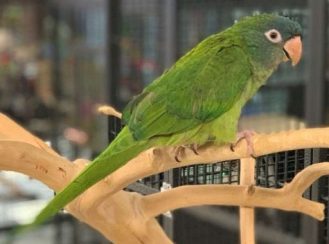
How to Care for Amazon Parrot Amazon Parrots are very loyal, however, they require a lot of attention, nurturing, guidance, and training to keep them from developing undesirable behaviors, like biting and screaming. Amazon parrots love to chew, so they need lots of destructible toys to satisfy their instincts.
There are about thirty amazon species that are commonly recognized and many sub-species. Two of the most popular species kept as pets are the Double Yellow-headed and Yellow-naped Amazons.
How to Care for Amazon Parrot are mostly green with other brightly colored patches depending on the species. In general, amazons can vary in size from 10 – 18 inches in length and they have short, square-like tails.
Care for a Pet Amazon Parrot
How to Care for Amazon Parrot is a classification of several different kinds of parrots that hail from Central and South America. There are more than 30 species of Amazons; 10 types are common as pets. Most Amazon parrots have a green body. Depending on the species, they can have distinct feather colorings on their head that include red, lilac, yellow, purple, blue, and more. Some display various colors on their shoulders, tail feathers, and beak.
How to Care for Amazon Parrot These medium-to-large birds can live for decades with good care. They require consistent attention, a varied diet, space for exercise, and training, especially if you want a less noisy, gentle bird. Several species are pretty good talkers and mimics, too.
Amazon Parrot Behavior and Temperament
Amazons are brilliant and playful birds that love being the center of attention. They need lots of affection and time with their owners. They are curious and athletic, and they seem to enjoy entertaining their owners with clownish antics. Amazons that have been hand-tamed from a young age typically are comfortable with handling and make loving, affectionate pets.
However, Amazon parrots can be somewhat moody as they reach sexual maturity and might become aggressive if not trained and handled correctly. This is called a bluffing stage. While the phase does pass, it can sometimes last for up to two years. During the bluffing stage, Amazons might bite and show other aggressive behaviors. It’s more apparent in males, and some birds act out more than others. Because of this, you might want to consider a female parrot or an older bird.
Owners can learn to read their Amazon’s body language to understand its mood. For instance, a parrot with narrowing pupils and raised head feathers might be overexcited and prone to biting if it’s not given a chance to calm down.
Housing
An Amazon parrot’s cage should be as large as you can fit and afford. The minimum recommended size for a cage is 2 feet wide by 3 feet deep by 4 feet tall, but larger sizes, if possible, are always preferable for the parrot’s comfort and well-being. Some owners even dedicate small rooms as free-flight aviaries for their pet birds. Make sure the cage bar spacing is narrow enough that your bird can’t get any body parts stuck.
In the enclosure, including toys, swings, ladders, and perches of various sizes. Amazons like to chew, so make sure all items in the cage are safe and nontoxic. Moreover, include food and water dishes positioned in a spot where bird droppings won’t fall in them.
What Do Amazon Parrots Eat & Drink?
Amazon parrots eat a variety of seeds, nuts, fruits, berries, and vegetation in the wild. Pet Amazons should eat a pelleted bird food, along with fresh fruits and vegetables, every day. Discuss the quantity and variety with your vet, as nutritional requirements can vary based on size, age, and activity level.
Birds like to graze throughout the day, so place a day’s worth of pellets in a chew-proof and tip-proof dish in the cage. Stainless steel dishes that attach to the side of the cage are a good option. Then, discard any uneaten pellets after 24 hours before adding the next day’s portion. Fresh foods should be fed in a separate dish, ideally in the morning when your bird is waking up and hungry. Remove them after a few hours to prevent spoilage.
Finally, make sure your parrot always has access to fresh water. You can either use a water dish or a bottle that attaches to the side of the enclosure. Many birds like to dunk food in water dishes or even bathe in them, so bottles are typically easier to keep sanitary. But make sure your bird knows how to drink from the bottle before removing its water dish. Refresh the water daily.
Common Health Problems
Amazons are relatively healthy, long-lived birds. But they are commonly susceptible to the following conditions:1
- Obesity
- Feather picking (plucking feathers due to boredom, skin problems, and other issues)
- Hypocalcemia (low calcium)
- Liver disease
- Respiratory diseases and other infections
- Household injuries (such as from ceiling fans, toxic fumes, electrical wires, and more
Training Your Amazon Parrot
Hand-taming is the primary training most owners do with their birds to get them acclimated to household life. Allow your parrot to settle for at least a few days after bringing it home. Sit by it and talk to it, so it becomes comfortable with your presence. Start to offer treats through the cage bars to encourage the parrot to come toward you.
After it’s comfortable with this, hold a perch in front of the bird’s stomach, and give the command “step up.” You can very gently press the perch into its stomach and hold a treat in front of the perch to encourage it to step up. Always hold the perch steady, and pause the training if your bird ever becomes stressed.
Finally, once your Amazon steps up onto a perch comfortably, give the same “step up” command while holding your hand in front of the bird’s stomach. Offer treats and praise to make the handling a positive experience.
Amazon parrot Exercise
Because Amazons love to eat and are prone to obesity, they need lots of exercise to keep them healthy. Physical activity also provides essential mental stimulation for their intelligent brains. An Amazon needs at least three hours of out-of-cage time per day where it can move freely and stretch its muscles.
Keep toys both in and out of the cage to encourage activity. A bird play gym outside of the cage is a great option to interest your bird and get it moving. Puzzle toys also can offer both mental stimulation and exercise.
Amazon parrot Grooming
Most Amazon parrots love to bathe. And regular baths help to keep the bird’s feathers in good shape. You can spritz your bird with warm water from a spray bottle, or offer it a shallow dish that it can splash around in. Some birds even enjoy getting in the shower with their owners. Offer a bath a few times a week (sometimes your bird might not be interested), and make sure your bird never gets chilled with wet feathers.
Furthermore, Amazons typically need periodic nail trims because they don’t wear down their nails naturally like they would in the wild. A vet can trim your bird’s nails for you and teach you how to do it at home.
Pros & Cons of Keeping an Amazon Parrot as a Pet
Amazon parrots can be very fun, entertaining, and affectionate pets. Most are quite social with their owners. However, they are a long-term commitment, which might not work for everyone’s situation. And they need a lot of mental stimulation and exercise to keep them happy and healthy.
Similar Pet Birds to the Amazon Parrot
If you’re interested in Amazon parrots, check out:
Otherwise, check out other large birds that can be your new pet.
Purchasing or Adopting Your Amazon Parrot
It’s best to go to a reputable breeder or rescue organization to acquire an Amazon parrot. You might see them in some pet shops, but those shops aren’t always able to give good information on the bird’s health, history, and temperament. Amazons can range in cost from around $100 and $1,000 on average, though this can vary widely depending on factors such as the bird’s age. Adoption fees are typically less than breeder costs.
Reproduction/Breeding
Local avian veterinarians might be able to direct you to a good Amazon parrot breeder or rescue. These birds are often seen for adoption because owners can’t keep them for their full lifespan. The main benefit of going to a breeder is you’ll likely have a wider selection of younger birds.
Aim to visit with the bird before bringing it home. Look for a bird that is active, alert, and in good body condition. Ask the seller about the bird’s daily routine, diet, health, level of tameness, and any other questions you might have before committing.
Furthermore, in some Amazon species you can tell the males and females apart on sight while others require a DNA test. If you’re interested in keeping more than one bird of the same species, ask the seller or a vet to confirm their sex, so you don’t have any unexpected breeding.
