
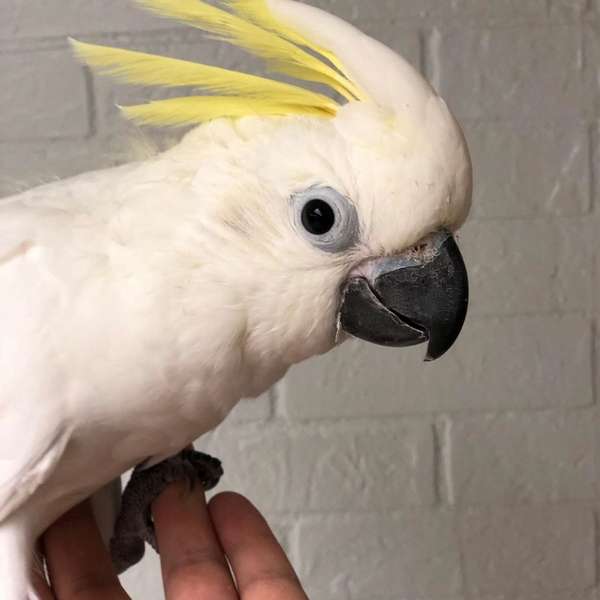
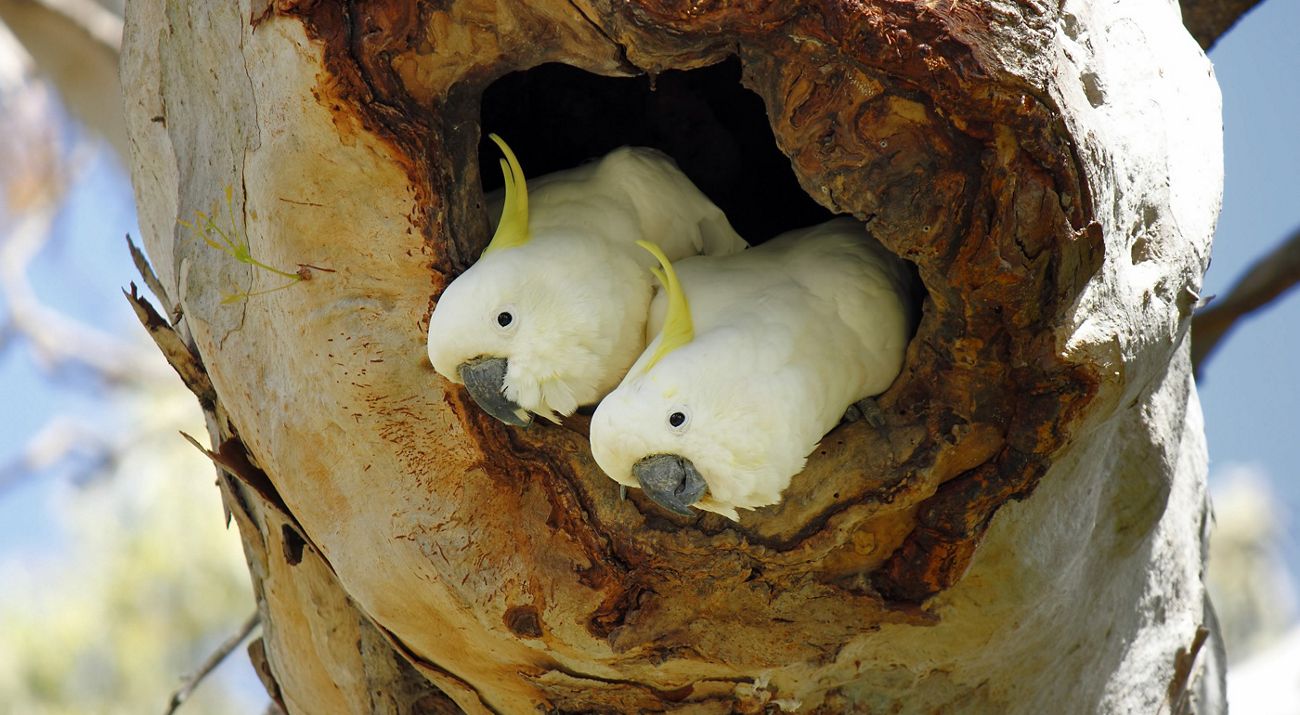
 Cockatoos are large hookbill parrots. There are over 20 species of cockatoos, each with their own behaviors and personalities. In general, they are highly social and, in the wild, will forage in flocks as large as 100 birds.
Cockatoo Size
The average pet cockatoo is 20 inches long, including their crest of narrow, forward-curving feathers on the head.
Lifespan of a Cockatoo
Cockatoos live 20–40 years in the wild, and up to 70 years or more as pets. Proper care is essential for your pet cockatoo to live a long, healthy life.
How Much Is a Cockatoo?
A typical cockatoo will cost anywhere from $600–$1,500, with rarer types skyrocketing into the thousands.
Sadly, due to their long lifespans, behavioral issues, and loudness, many cockatoos get re-home sometimes multiple times throughout their life. It’s recommended to adopt a cockatoo in need. Search for local parrot rescue group near your hometown, which often have many cockatoos to choose from. Cockatoo rescues generally require a much smaller adoption fee than buying a cockatoo from a breeder or pet store.
Cockatoo Care
Cockatoos are a large hookbill parrot and have similar care needs to birds like macaws or African grey parrots.
What Do Cockatoos Eat?
Cockatoos need a varied diet, including greens, vegetables, and fruits, with around two-thirds of a typical diet coming from nutritionally balanced, formulated pellets.
An exclusive, seed-only diet is not the best cockatoo food, as seed is deficient in nearly all vital nutrients. Seeds should make up no more than 10% of a cockatoo’s diet. Instead, focus on fresh vegetables, fruits, and cooked grains and legumes. Fruits and veggies should only make up 20–25% of a cockatoo’s diet.
Cockatoos also benefit from calcium supplementation through cuttlebones to help keep them strong and healthy.
Cockatoo facts
Cockatoos have a preferred “footedness” analogous to human handedness. Unlike humans, most are left-footed.In captivity, cockatoos have a lifespan similar to humans.The word ‘cockatoo’ has its origins in Malay and means ‘vice’ or ‘grip’ because of their incredibly strong beak.Australia’s commonest and most widespread cockatoo is the Galah.