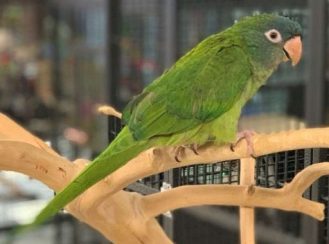
Harlequin Macaw Care Guide require a lot of socialization and handling, so expect to spend time with the bird daily. A macaw that becomes bored or feels neglected can act out by biting, destroying things around the house, or resort to self-mutilation and feather plucking.
These birds need a large cage that is at least 5-foot square and 8-foot high placed in a draft-free location. It should include a perch and plenty of stimulating toys to keep it occupied while confined. Harlequin Macaw Care Guide The cage needs to be cleaned at least every two months or more often if it gets soiled quicker. Your bird will appreciate water to bathe in as well as occasional misting.
Common Health Problems
Harlequin Macaw Care Guide generally speaking, if you take good care of your macaw, it will remain healthy. However, even with the best hygiene, some diseases can still occur.Harlequin Macaw Care Guide There are also behavioral problems that they can develop. If your bird gets bored or feels neglected by you, it may resort to feather plucking or skin picking.
Diet and Nutrition
Harlequin Macaw Care Guide are a very high energy bird. For good health, they will need foods rich in oils and calories. In the wild, macaws eat a variety of palm nuts, seeds, and fruit.
Harlequin Macaw Care Guide a diet that includes a high-quality seed and formulated pellet mix. It’s also important to include daily servings of fresh bird-safe fruits and vegetables. Each macaw, depending on its size, will eat about 1/2 to 3/4 cup of parrot mix and about 1/2 to 3/4 cup of fruit and vegetables per day. It will also need fresh drinking water every day.
Exercise
Harlequin Macaw Care Guide Pet parrots are prone to obesity and harlequin macaws need plenty of exercise. Activities help maintain their physical health and provides much-needed mental stimulation as well. You can keep your harlequin macaw occupied by handling it daily and providing it with plenty of toys.
Prepare to set aside a minimum of 2 to 4 hours per day for the supervision of the bird while it plays outside of its cage. In addition to preventing weight gain, adequate exercise helps stave off boredom.
Harlequin Macaw Colors and Markings
Harlequin macaws have a wide variation in their colors and patterns. They are often mistaken for Catalina macaws, which are another hybrid with similar coloration.
A harlequin’s coloring depends mostly on if the blue and gold or greenwing was the male parent. Males have dominant genes. This difference is most prevalent in the color of a harlequin’s breast and belly. With a blue and gold father, the breast will be red-orange. If the father is a greenwing, the breast feathers will be a lighter orange.
Most harlequins have striking tones of green and blue on their backs. They also tend to have gold feathers on the underside of their tail feathers. Males and females look the same, and without genetic or surgical sexing, it’s nearly impossible to know the sex of harlequins.
Harlequin Macaw Price, Lifespan, Care & Complete Guide
Harlequin Macaw is a remarkable hybrid, combining the vocal, energetic personality of the Blue and Gold Macaw with the calm nature and larger size of the Green-winged Macaw. The result is a large parrot that stands out with its multi-colored feathers—typically a fiery mix of green, orange, yellow, and blue and an expressive face that reflects its high intelligence and emotional depth.
Buy Our Captivating Harlequin Macaw at Dallas Parrots
Experience the ideal combination of vivid colors and playful intelligence with our Harlequin Macaw, a true marvel for bird lovers. Admired for their charming personality and striking appearance, these parrots are an exceptional choice for anyone who cherishes avian companionship. Bring home a feathered friend that’s as loving as it is lively.
Harlequin Macaw Lifespan and How Long They Live
Harlequin Macaw has a lifespan of 40 to 50 years, and with proper care, it can live up to 70-80 years. Ensuring proper care with a balanced diet and mental stimulation will contribute to a long, healthy life.
Ensuring a long life for your Harlequin Macaw requires consistent attention to its dietary needs, including fresh fruits, vegetables, and high-quality pellets. Consistent vet checkups and daily physical activity play a vital role in safeguarding these birds from common health concerns. By providing a safe and enriching environment, your Harlequin Macaw will not only live longer but will also lead a happy and healthy life, forming a strong bond with its human family.
Daily Care Needs
Harlequin Macaws need regular care, covering their physical, emotional, and social needs to thrive and remain content. A structured daily routine with interaction and stimulation is key. To keep your Harlequin happy and healthy, it’s essential to maintain a consistent schedule that includes proper nutrition, cage maintenance, social bonding, and regular monitoring for signs of illness or distress. Every one of these activities contributes greatly to your macaw’s well-being and overall happiness.
Daily Care Tasks:
Balanced Diet: A healthy, varied diet is critical to your Harlequin Macaw’s well-being. Incorporate a mix of high-quality pellets, fresh fruits (like apples and bananas), vegetables, and nuts. Don’t forget to offer macaw-safe foods and avoid harmful treats like chocolate or avocado. A well-rounded diet supports their immune system and energy levels.
Cleaning the Cage and Perches: A clean environment prevents the buildup of harmful bacteria and keeps your bird comfortable. A routine cleaning regimen is crucial for preventing health issues, including infections or mold.
Engaging in Social Interaction and Playtime: Your Harlequin Macaw is a social creature, so daily bonding time is necessary. Spend time talking to, training, and playing with your bird. Encourage interactive play with macaw toys, such as swings, and offer plenty of time outside the cage for exercise. This helps in macaw training and keeps them mentally stimulated.
Monitoring for Signs of Illness or Stress:Closely monitoring your bird’s behavioral changes and overall health helps in detecting any early signs of trouble before they escalate.Look out for signs such as changes in eating habits, lethargy, or feather loss. Regularly check their beak, nails, and overall appearance. If any abnormalities arise, consult a vet to address potential health concerns before they worsen.
Cage Size and Housing Requirements for Harlequin Macaws
Harlequin Macaws require a roomy enclosure that suits their energetic temperament and impressive size, ensuring they stay comfortable and active. A spacious setting gives them the freedom to climb, explore, and move around comfortably, supporting both their physical and mental stimulation. Providing perches, swings, and toys encourages natural behaviors like foraging and exercise, promoting both mental and physical health.
The cage must be regularly clean and position in a lively part of the home so your bird stays engaged and feels a sense of belonging. Regular interaction and a stimulating environment will help prevent boredom and enhance your macaw’s well-being.
Temperament and Personality Traits
A spacious, well-furnish cage greatly enhances the health and emotional well-being of your Harlequin Macaw, providing a safe and stimulating environment. Their intelligence allows them to quickly bond with their owners, often forming strong, lasting relationships. These birds love being in the spotlight and flourish in social, interactive environments.
While their affectionate nature makes them great companions, they can become noisy if left alone or bored. To keep them content, regular interaction and mental stimulation are essential. Without proper engagement, they may develop behavioral issues, such as feather plucking or excessive squawking.
Training and Socialization Tips:
Use positive reinforcement: This bird thrives on positive reinforcement, making training both effective and enjoyable.Rewarding good behavior with treats, praise, or extra attention encourages your macaw to repeat the desired actions. It’s important to be consistent with rewards.
Keep sessions short: Training sessions should be short and engaging to keep your macaw’s focus and ensure effective learning. Aim for 10-15 minute sessions. This ensures your bird doesn’t get bored or overwhelmed while also reinforcing the learning process.
Be consistent: Consistency is key in training. Use the same commands and rewards every time you train your macaw. This helps them clearly understand what is expected, reinforcing good behavior.
Introduce variety: Gradually introduce new tricks or behaviors. This keeps the training process exciting for both you and your macaw, preventing boredom. Mental stimulation is crucial for their well-being, and introducing new challenges helps keep them engaged.
Grooming Needs and Hygiene for Harlequin Macaws
Routine grooming, such as nail trimming, beak maintenance, and bathing, is crucial for ensuring your Harlequin Macaw’s health and comfort. Grooming helps prevent discomfort and supports your bird’s physical and emotional health. Here are the key grooming tasks you should incorporate into your bird’s routine:
Essential Grooming Tasks
Nail Trimming: Regular trimming is crucial to prevent nails from growing too long, which can cause discomfort or even injury.
Beak Care: Ensure the beak remains properly aligned and not overgrown. Providing chewing toys helps maintain its proper length and functionality.
Bathing or Misting: Harlequin Macaws need regular bathing or misting to maintain healthy feathers and prevent dust buildup, which keeps them comfortable and clean.
Veterinarian Consultations: Regular check-ups with an avian veterinarian can teach you the most effective grooming techniques and help maintain your macaw’s hygiene properly.
Common Health Concerns in Harlequin Macaws
Common health issues in Harlequin Macaws include Psittacosis, vitamin deficiencies, feather plucking, and respiratory infections.Regular veterinary care and a balanced diet help prevent these issues.”
Feather plucking may result from stress or boredom, and it’s crucial to address it promptly to prevent any long-term damage.Respiratory infections can also affect these birds, especially if exposed to drafts or poor ventilation in their living environment.
Common Health Concerns
Psittacosis (Parrot Fever): A bacterial infection that can affect both the bird and humans, causing flu-like symptoms.
Vitamin Deficiencies: Lack of essential vitamins can result in various health issues, including poor feather quality and weakened immune function.
Feather Plucking: Frequently a response to stress or boredom, feather plucking can cause irreversible harm if not managed in time.
Respiratory Infections: Exposure to smoke, poor air quality, or sudden temperature changes can lead to respiratory issues.
Regular veterinary check-ups and a balanced diet are key to preventing these issues and ensuring your Harlequin Macaw stays healthy.
Do Harlequin Macaws Talk? Speech and Intelligence
Harlequin Macaws are highly intelligent and can develop a substantial vocabulary with consistent training, though speech ability may vary from bird to bird. These birds flourish with social engagement and mental stimulation, both of which sharpen their mimicking abilities.
Through patience and positive reinforcement, a Harlequin Macaw can become quite vocal and may surprise you with its ability to mimic sounds and even human speech. However, some individuals may not develop a strong speech ability, so expectations should be set accordingly.
How to Bond With Your Harlequin Macaw
Engaging in interactive play and consistent training helps strengthen trust and communication. It’s also important to respect their space and carefully observe their body language for signs of stress or discomfort. Patience and consistency are essential in developing a lasting, affectionate relationship with your macaw.
Tips for Bonding with Your Harlequin Macaw
Spend Time Together Daily: Dedicate time each day for direct interaction. Whether through sitting nearby or talking to your macaw, consistent companionship fosters a stronger bond.
Play Interactive Games: Engage your macaw with toys, puzzles, and games that stimulate their mind. Activities like playing fetch or teaching them tricks can create positive connections.
Provide Consistent Training: Establish a routine for training using positive reinforcement. Regular sessions help build trust while also providing mental stimulation for your macaw.
Respect Their Personal Space: Let your macaw have time to themselves when needed. Overcrowding them can lead to stress, so always respect their need for solitude and quiet time.
Watch Their Body Language: Understanding your macaw’s body language is crucial. Recognize when they are comfortable, stressed, or anxious, and adjust your interactions accordingly.
Use Calm and Reassuring Voices: Macaws are sensitive to tone and emotions. Use a gentle, calming tone when speaking to your bird to build trust and foster a sense of security.
Is a Harlequin Macaw Right for You?
Before adopting a Harlequin Macaw, it’s essential to assess your ability to meet their needs. These birds are highly social and intelligent, demanding significant time and attention. While their playful personalities are charming, their vocalizations can be overwhelming, making them better suited for individuals or families who are prepared for the noise.
Additionally, their lengthy lifespan of up to 80 years means they require a long-term commitment. Make sure you can provide them with a spacious environment and a routine that caters to their physical and emotional well-being.
Cost of Ownership Beyond the Purchase Price
