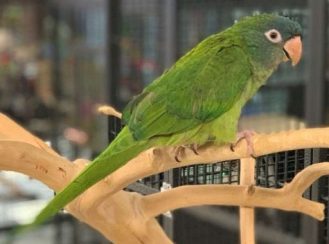
Cockatoo Care Guide for Beginners Cockatoos originate from Australasia and South-East Asia. These species of parrot boast beautiful erectile crest feathers on their heads, which are displayed in response to feelings, such as fear, excitement or aggression.
>These parrots are the only species not to have any blue or green colouration in their plumage.
>Many cockatoos live between 40 and 70 years, so you must be sure you are ready for a lifetime commitment.
Choosing Your Cockatoo
Cockatoo Care Guide for Beginners Choosing Your Cockatoo There are three commonly-keep species of cockatoo – white, black and grey roseate – the white cockatoo is the most popular type kept as a pet in the UK, as the other types require more specialist care and knowledge.
Cockatoo Care Guide for Beginners A healthy cockatiel should be:
Bright-eyed and alert.
Have no signs of discharge from the eyes or nostrils.
Have a clean vent area.
Feathers should be smooth, flush to the body and not be fluff up.
Have no signs of breathing problems.
Have fluent movement with no signs of lethargy.
Housing a Cockatoo
Cockatoos can be house in an outside aviary or a roomy cage.
If you choose to house your cockatoos in a cage, it is highly important they are provided with daily time outside their cage.
A roomy cage is a necessity if you are unable to provide an aviary, and it must be large enough for your cockatoos to stretch their wings and fly from perch to perch. Cockatoos are climbing birds, so it is preferable to choose a cage with horizontal bars.
Avoid putting the cage in draughts, direct sunlight or in damp or humid conditions. The cage should be furnish with perches of different diameter and a few toys, but don’t overcrow the cage.
Cockatoo care
Try and buy a selection of toys and rotate them to avoid boredom.
Do not place perches directly above food and water pots.
Cockatoos are notorious chewers so it is important to provide them with plenty of wooden chews to keep them entertained.
The cage/aviary can be furnish with non-poisonous wood branches, such as fruit wood, which will add interest and aid with keeping the beak properly shape. You can also hang toys off the branches for added entertainment.
Sand sheets or cage bird sand may be use in the bottom of the cage and replace regularly. The cage and furnishings should be thoroughly clean and disinfect with a pet safe disinfectant
Introducing Your Cockatoos To Their New Home
Before introducing your cockatoos to their new home, fill the food and water pots and sprinkle a little extra onto the floor, to ensure they have enough to eat until they find the seed pots.
Make sure all windows and doors are close and fires are guard.
Gently open one end of the carry box and let your cockatoos walk into their new home. If they appear anxious or do not settle, drape a cloth over three sides of the cage until they settle. Leave them to adjust to their new setting quietly for a few hours.
Whilst your cockatoos are still young, introduce them to as many people and noises as possible. This will ensure they are confident and comfortable with other people taking care of them if you are away or if they outlive you – which may well happen.
Training Cockatoo
Cockatoos are very intelligent and curious animals that spent most of their waking hours playing and entertaining themselves. They can be train which will also help you bond with your pet.
‘Step-up onto your finger can be encourage with a little gentle pressure to the breast, follow by a reward and praise. ‘Fly to me’ can also prove very useful if you notice a door or window has been left open, although this takes some persistence. Repetition, patience and positive reinforcement is the best form of training.
Do not punish your birds as you may ruin your relationship.
Food and Water for Cockatoo
It is important that you give your cockatoos a varied diet. Each day you should offer food from the following categories:
Seeds, nuts and cereals: A good quality parrot mixture should be available from your pet shop. Check the seed dishes daily and remove any empty husks and refill as necessary.
Fruits: Apples, bananas, oranges, grapes, pears and cherries and more fruits are all suitable, but do not feed avocado.
Vegetables: Celery, carrots, broccoli, beetroot, lettuce, cabbage, spinach, fresh peas, and beans are all suitable. Fresh foods must be thoroughly washed before being offered.
Supplements: Cuttlefish is a source of calcium and helps to keep the beak trim. A mineral block will provide essential minerals and trace elements, although both these items will be demolished rapidly by larger parrots. Vitamin drops may be added to the water.
NATURAL HABITAT
Like many other large parrot species, this cockatoos are stunningly intelligent. They possess incredible problem-solving skills and have great memories. In addition, they’re highly sociable. They can form a close bond with their human caretakers, though keep in mind that they can be “one-person birds” who have a clear favourite family member. You’ll never be bored with a U2 around!
Cockatoo Care Guide for Beginners
Caring for a Cockatoo can be incredibly rewarding, but it’s not a low-maintenance commitment. These intelligent, affectionate birds require time, attention, and proper care to thrive. If you’re new to cockatoo ownership, this beginner-friendly guide will walk you through everything you need to know.
🦜 Understanding Cockatoos
Cockatoos are highly social parrots known for their expressive crests and strong bonds with their owners. Native to Australia and nearby regions, they are famous for their intelligence and emotional sensitivity.
Key traits:
- Lifespan: 40–70 years (depending on species)
- Temperament: Affectionate, demanding, social
- Noise level: Loud (important for apartment living!)
🏠 Setting Up the Perfect Habitat
Creating a comfortable environment is essential for your cockatoo’s well-being.
Cage Requirements
- Minimum size: Large enough for full wing extension
- Bar spacing: Appropriate to prevent escape or injury
- Material: Non-toxic, durable metal
Placement Tips
- Place the cage in a social area (not isolated)
- Avoid direct sunlight or drafts
- Maintain a consistent day-night cycle
🥗 Diet and Nutrition
A balanced diet is crucial for a healthy cockatoo.
Recommended Foods
- High-quality pellets (60–70% of diet)
- Fresh fruits (apples, bananas, berries)
- Vegetables (carrots, spinach, broccoli)
- Occasional seeds and nuts (as treats)
Foods to Avoid
- Chocolate
- Avocado
- Caffeine
- Alcohol
Fresh water should always be available and changed daily.
🧠 Mental Stimulation & Enrichment
Cockatoos are extremely intelligent and need daily mental engagement.
Enrichment ideas:
- Puzzle toys
- Chew toys (wood, rope)
- Training sessions (basic commands, tricks)
- Social interaction (at least 2–4 hours daily)
Without stimulation, cockatoos may develop behavioral issues like feather plucking or excessive screaming.
🩺 Health and Grooming
Routine care keeps your bird healthy and happy.
Grooming Needs
- Nail trimming (monthly or as needed)
- Beak maintenance (natural chewing helps)
- Occasional misting or bathing
Vet Care
- Annual check-ups with an avian vet
- Watch for signs of illness:
- Lethargy
- Loss of appetite
- Changes in droppings
❤️ Social Needs and Bonding
Cockatoos thrive on companionship. They form deep emotional bonds and can become distressed if neglected.
Tips for bonding:
- Spend quality time daily
- Use positive reinforcement
- Avoid punishment-based training
If you’re often away, consider whether a cockatoo is the right pet.
⚠️ Common Beginner Mistakes
Avoid these pitfalls:
- Underestimating noise levels
- Lack of time commitment
- Poor diet (too many seeds)
- Ignoring mental stimulation needs
🧾 Final Thoughts
Owning a cockatoo is a long-term commitment that requires patience, consistency, and love. With proper care, these birds can become affectionate companions and lifelong friends.
