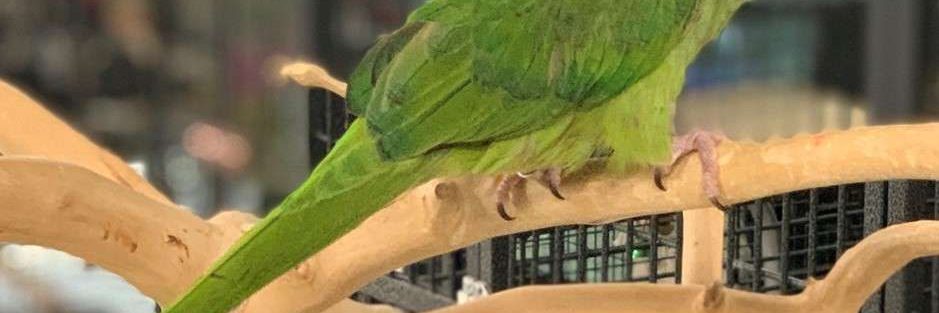
Macaw complete beginners guide is a comprehensive, practical and beginner-friendly guide designed to help aspiring owners understand, prepare for and responsibly care for macaws one of the most intelligent and demanding companion birds in the world.
Written in a clear step-by-step format, this handbook removes the uncertainty that often surrounds large parrot ownership and replaces it with structure reliable guidance. Whether you are considering your first macaw or seeking to improve your current care practices, this book serves as a dependable long-term reference. Macaw complete beginners guide begins with an overview of macaw species, explaining their origins, physical characteristics lifespan expectations and differences between common species. Readers gain insight into natural history including habitat social structure, and survival behaviors that influence how macaws behave in captivity.
A strong focus is place on intelligence and behavior. Macaw complete beginners guide are highly cognitive birds that require mental stimulation structure, and consistent interaction. The handbook explains communication patterns, body
The Ultimate Guide to Owning a Macaw
Macaw complete beginners guide are vibrant intelligent birds known for their striking colours and impressive size. Macaw complete beginners guide They are one of the most iconic members of the parrot family and can make extraordinary companions. However owning a macaw comes with significant responsibilities. Macaw complete beginners guide These birds require dedicated care, considerable space, and long-term commitment, as they can live for 50 years or more. This guide will provide essential information to help you prepare for the rewarding journey of macaw ownership.
Choosing Your Macaw
Macaw complete beginners guide range from the smaller Hahn’s macaw to the majestic and large Blue and Gold, Green-winged, and Hyacinth macaws. Each species has different needs and temperaments, but all share a need for social interaction and mental stimulation.
Where to Buy
Macaw complete beginners guide A reputable breeder can provide a healthy, social bird and offer ongoing advice and support.
Specialised Bird Stores: Ensure the store has a good reputation for the care of their birds and knowledgeable staff.
Rescue Centres: Adopting a macaw can be rewarding. Many rescue birds are looking for a second chance at a loving home.
What to Look For
Macaw complete beginners guide Look for an active bird with bright, clear eyes, clean feathers, and no signs of respiratory distress.
Temperament: Engage with the bird to gauge its personality. Macaws should be alert, responsive, and sociable.
Setting Up Your Home
Macaw complete beginners guide need large cages to accommodate their size and wingspan. A cage for a large macaw should be at least 2.5 feet deep by 3 feet wide by 5 feet tall.- Placement: Place the cage in a social area of your home away from drafts and direct sunlight. Avoid isolation to prevent behavioural issues.
Essentials
Provide a variety of perch sizes to help with foot health and comfort.
Macaws are highly intelligent and need robust toys that they can chew destroy and solve to prevent boredom and encourage physical activity.
- Food and Water Dishes: Use heavy durable dishes that are difficult to tip over
Nutrition
Pellets: Formulated parrot pellets should make up about 60-70% of a macaw’s diet.- Seeds and Nuts: These can be high in fat and should only be offer in moderation as treats.
- Fresh Foods: Daily offerings of fresh fruits and vegetables are crucial for nutritional balance and variety.
Foods to Avoid
- Avoid avocado, chocolate, caffeine, and foods high in fat and salt, which are harmful to macaws.
Health and Maintenance
Regular Vet Visits
EstablMacaw complete beginners guide ish a relationship with an avian vet for annual check-ups and consult them for any health concerns.
- Signs of Illness: Watch for changes in behaviour, feeding, or stool appearance as indicators of health problems.
Daily Care
- Macaw complete beginners guide Daily cleaning of the cage and weekly deep cleans are necessary due to the size and messiness of macaws.
- Bathing: Regular showers or baths help maintain feather health and hygiene.
Social Interaction and Training
Interaction
- Macaws are extremely social and require several hours of interaction with their human family each day to stay mentally healthy and happy.
- Socialisation: Introduce your macaw to various people and new situations to help it become well-adjusted and confident.
Training
- Training is crucial for macaws. They can learn tricks, solve puzzles, and some species are capable of mimicking words and phrases.
Legal Considerations
CITES and Local Laws
- Macaw complete beginners guide are often cover by CITES regulations due to their status in the wild. Ensure any macaw you purchase has the proper legal documentation.
- Check local UK regulations and guidelines for keeping pets.
Conclusion
Macaw complete beginners guide is a significant commitment that should not be take lightly. These magnificent birds bring a lot of joy and colour to households, but they require a dedicated owner prepared to meet their extensive needs. With proper care, a macaw can be a lifetime companion, offering affection, entertainment, and interaction for many years.
– A Complete Beginner’s Guide
The purpose of this article is to provide a complete guide for the new pet parrot owner. Parrots have been held in high regard ever since 1504 when the first live parrot was import into the UK although the Romans keep them as pets long before this. Parrots, given the correct care and attention can be long live and so will provide your household with not just a new pet but a life-long companion and a new family member.
Cages
This is the first major purchase before selecting your new companion there are numerous designs and styles available at various prices, from pet shops. Whilst there are no right or wrong cages, a simple design will be easier to clean and maintain. Remember that your parrot will treat its cage as its own territory, and will happily spend large parts of the day in it so the cage should be as spacious as possible, and should allow the bird to at least be able to spread its wings.
The bottom of the cage needs to be covered with something that can be changed regularly, this can be shred paper or wood-shavings, but these tend to get blown about and make a mess around the cage. The best floor covering is old newspaper, this is cheap and readily available so that it can be changed daily
Diet or polly filler
Your parrot should be fed at least once a day, with tit-bits offered as available. Most pet shops sell “parrot mix” or possibly parrot pellets, but neither of these will form a complete diet. A good selection of fresh fruit and vegetables should also be offer every day. Peanuts if offered should be those sold for human consumption as the ones sometimes sold in pet stores may be infected with a fungus which will lead to aflatoxin poisoning. Anything that we eat can be offer in moderation including, cook meat and bones, also cooked fish, tinned fruit, cheese, plain biscuit, etc. Chocolate however should not be given also avocado which is poisonous to parrots. (Improved research in recent years has confirmed that there is no ‘one size fits all’ diet for all parrots. Many companies now produce various mixes for Macaws, African parrots, Parakeets, Lories birds or breeding birds, etc. AKJ 2018) See also Parrot Nutrition
Keeping polly happy
Although your parrot’s cage is its castle, it should be let out under supervision at least once a day never leave your parrot out unattend as this can result in chewed furniture or wall paper.
A wide range of toys is now available from pet shops, the best ones are made from natural products like wood and hemp rope. The purpose of these toys is to give your bird things to chew and destroy, so every day things which can be found around the house are just as suitable, such as, cardboard boxes and empty toilet rolls. Fresh cut branches from non poisonous trees is also require. Also try placing objects such as large pieces of fruit on top of the cage so that the bird has to climb up to get it, thus exercising your parrot.
Selecting your new pet
There are numerous decisions to be made about choosing the right bird; either import (i.e. wild caught), usually less expensive, adult birds and some young birds will never settle to a cage life, there is also a greater risk that the bird may be carrying a disease. (No longer applicable in 2018, since importation became illegal without special licence in 2005) Aviary bred (i.e. a bird bred in captivity) will be much more settle to domestic life. If the bird has been hand-rear it will already be hand tame and possibly talking, consequently hand-reared birds are more expensive but much more desirable. You could also choose an adult bird that has been someone else’s pet, however the disadvantage of this is that the bird may be attach to one person and may utter phrases that are unacceptable in its new environment!
Choosing the right bird for your home
Macaw complete beginners guide Take your time when selecting your new pet as they can live for a considerable time. Choose which species you may be interest in then speak to the breeder or dealer to try and gain as much information as possible about the bird being offer such as diet, where it has been keep has it seen other animals or children, etc. Do not choose a bird just because it is large and impressive or worst still because it matches your decor.
Macaws and Conures
These South American parrots are regularly bred in captivity and hand-rear birds are readily available. Conures are a family of parakeets which are closely relate to the larger macaws in fact there are dwarf macaws (Hahn’s and Noble) that are smaller than the larger conures. Some of the smaller conures (Green-cheek Maroon belli Paint Petz Peach-front and Dusky-head to name but a few), make exceptional pets when acquire young, these are good with children due to their smaller size.
Reproductive Information
Macaw complete beginners guide Preening each other and feeding each other/regurgitation are signs of breeding pairs
Broody behavior can looks like nest building, cage territoriality and aggression, as well as rubbing their vent again inanimate objects and people
Minimize reproductive behavior by:
Don’t groom/pet along back and under wings
Improve nutrition
Do not place your bird on your shoulder or head as it can result in aggression
Provide no more than 12 hours of light. Cover cage if necessary.
Diet
Macaw complete beginners guide Provide your macaw with a well round diet, and plenty of opportunity to try new things which adds variety and provides psychological enrichment.
Don’t try to hand feed a very young bird unless you have experience and adequate time to devote to the task. It is safer to leave the baby with the breeder or pet store and visit frequently.
Start with your basic pellet diet formulated specifically for macaws, and supplement it with anything healthy such as fresh fruits and veggies.
Don’t feed avocadoes – they have been associate with toxicity.
Most foods from the table are okay; just avoid feeding your bird anything high in salt, sugar, or grease.
Vegetables such as sweet potato, carrots, beets, and corn on the cob are wonderful sources of vitamins and minerals.
BLUE AND GOLD MACAW INTELLIGENCE & PERSONALITY
Macaw complete beginners guide is a popular parrot species that doesn’t just stand out thanks to its beautiful colours but also its impressive intelligence and huge personality. You’ll never be bore with one of these parrots around.
B&Gs are not only smart and capable of learning numerous tricks and commands but also endlessly playful. They can make great pets for the right owner and form strong bonds with their human flock. However, it’s important to know that parrots, especially the large species, are very high-maintenance.
Macaw complete beginners guide huge intelligence comes with a strong need for constant mental stimulation. Blue and Gold Macaws are know for their chewing habit, for example. This is a natural behaviour that keeps their beaks healthy and provides enrichment, but it can lead to furniture being destroy if not properly managed. It’s essential to provide your bird with a variety of toys and activities to satisfy its urge for destruction.
If you’d like to own a Macaw, it’s important to be aware of their powerful beaks. These parrots don’t normally use their beaks to inflict pain, but they can lash out when scared or provoked. Their bites can cause serious injury! Early socialization and proper training are highly important for these large birds.