Cockatiels Care & Feeding cockatiel needs a cage spacious enough to accommodate multiple perches, toys, food bowls and have plenty of room to flap its wings without hitting them against anything. A cage with a large door front is ideal because it makes it easier to return a cockatiel to its cage, especially since cockatiels can be flighty birds. Cockatiels are natural ground foragers and will forage on the bottom of the cage if given the opportunity cover the cage floor with newspaper and sprinkle crumbled treats or millet sprinkle seed for your cockatiel to find. Cockatiels is a social birds and thrive when give opportunities to interact with you, whether it is gently petting their cheek feathers, being talked to or simply being in the same room as you.
A healthy cockatiel diet includes commercially balanced diets, such as Lafeber Premium Daily Diet Pellets, as well as other food, fresh vegetables and some seed. A well-cared-for cockatiel can live for more than 20 years.
A healthy cockatiel diet includes commercially balanced diets, such as Lafeber Premium Daily Diet Pellets, as well as other food, fresh vegetables and some seed. A well-cared-for cockatiel can live for more than 20 years.
Charismatic Cockatiels
Cockatiels species profile
Cockatiel Care Sheet
Cockatiels Care & Feeding are intelligent, social, and affectionate birds, making them excellent pets for most households. When properly socialized, cockatiels bond easily with humans and enjoy daily handling.
Cockatiels Care & Feeding are chronic egg-layers and often lay infertile eggs (when not housed with fertile males) every other day. Egg-laying can deplete vital minerals and calcium in female birds’ bodies and cause egg binding, a serious condition in which the bird cannot pass an egg and should see a veterinarian as soon as possible.
Cockatiels have sensitive respiratory systems and should be keep away from products that potentially emit toxic fumes, such as appliances with nonstick coating, candles, air fresheners, and aerosol sprays.
The Vet’s to Cockatiels: Facts, Care, and Habitat Tips
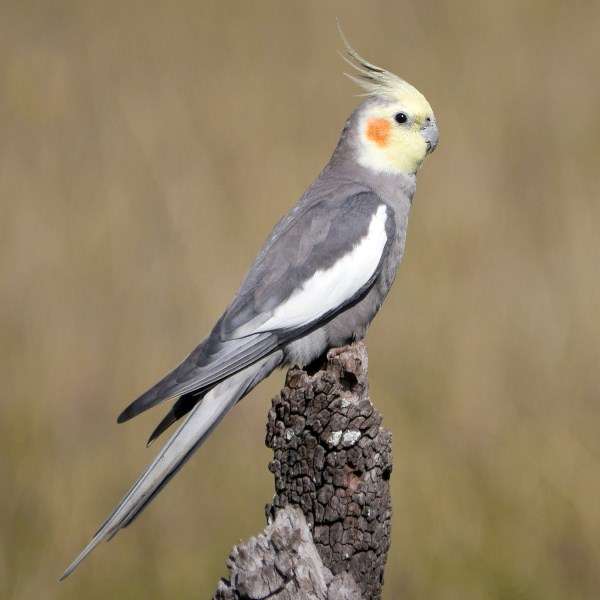
Cockatiels Care & Feeding are one of the most popular companion birds in Australia, love for their gentle temperament social nature and charming crests. As native Australians themselves these small parrots have made a natural transition from the wild to the home where they continue to delight owners with their personality and whistling talents. Cockatiels are easily recognised by their tall, expressive crests, round faces, and long tail feathers. The most common colour variation is the grey-bodied bird with a yellow face and orange cheek patches, although captive breeding has introduced a range of colours, including lutino, pied, pearl, and cinnamon varieties. Their unique crests serve as a mood barometer—raised when alert or excited, flattened when calm or relaxed.
Cockatiel Physical Characteristics
On average, cockatiels measure around 30 to 33 centimetres in length from head to tail, and typically weigh between 70 to 120 grams. They are slender birds with strong wings and a hooked beak, designed for climbing, chewing, and manipulating objects. Males and females often differ slightly in appearance—males usually have brighter cheek patches and more vivid colouring, while females may have barring under their tail and wings.
Cockatiel Health
Cockatiels are generally hardy birds, but they are prone to certain health conditions including respiratory infections, feather plucking (often due to stress or boredom), and obesity. They may also suffer from nutritional deficiencies if not fed a balance diet. Regular veterinary check-ups and early detection are key to maintaining their wellbeing.
Cockatiel Lifespan
With proper care cockatiels can live anywhere from 15 to 25 years, with some individuals reaching 30 years of age. Their longevity makes them a long-term commitment and potential owners should be prepare for many years of companionship and responsibility.
Keeping Your Cockatiels Looking and Feeling Great
Grooming and skin care are important aspects of cockatiel ownership, helping to ensure your bird stays healthy, comfortable, and looking their best. While cockatiels are fairly low-maintenance compare to some larger parrots they still require regular attention to their feathers, nails, beak, and overall hygiene. Skin care for cockatiels focuses on maintaining optimal feather condition and preventing dryness or irritation, particularly during moulting.
Cockatiels Grooming Requirements
Cockatiels are naturally tidy birds that preen their feathers daily to remove dust realign feathers and distribute oils from the uropygial gland at the base of their tail. This self-grooming is essential for insulation waterproofing, and flight. While they do much of the work themselves owners can support their grooming routine by providing clean living conditions regular bathing opportunities and access to a variety of perches and bird enrichment toys.
Feather Care
Healthy feathers are vital for a cockatiel’s ability to regulate temperature, fly, and express themselves. During moulting periods, when old feathers are replace with new ones, birds may need extra support in the form of increased bathing and dietary nutrients, particularly protein and vitamin A. It’s important to avoid overhandling during this time, as developing pin feathers can be sensitive. Feathers should always appear smooth and well-aligned; any signs of feather loss barbering or plucking should prompt a veterinary check-up, as these may indicate stress, illness, or skin irritation.
Cockatiels Dental Care
Although cockatiels don’t have teeth, beak maintenance is a key part of their grooming. A healthy beak should be symmetrical smooth and allow for easy eating and climbing. Beaks naturally stay trimm through regular chewing and climbing activities, so it’s important to offer a variety of chew-safe toys, mineral blocks, and natural wood perches. An overgrown or misshapen beak may signal an underlying health issue and should be assessed by a vet.
Cockatiels Clean Ears
Cockatiels have small, feather-cover ear openings locate behind and slightly below their eyes. Routine ear cleaning is not necessary, as their ears usually stay clean on their own. However owners should stay alert for signs of ear issues such as scratching head tilting, discharge or sensitivity to touch. If any of these signs are present prompt veterinary care is recommend cockatiel ears are delicate and best left to professionals when intervention is need.
Cockatiels Nail Trimming
In the wild, cockatiels naturally wear down their nails while climbing and foraging. In captivity, however, their nails may grow too long, especially if kept on soft perches. Overgrown nails can make perching uncomfortable and may even lead to injury. Regular inspection is important and if nails become sharp or begin to curl, a trim may be need. Nail trimming should be done carefully using bird-safe nail clippers and it’s often best handle by a vet or experience bird groomer to avoid cutting into the quick.
What Health Issues Should Cockatiels Owners Watch Out For?
Cockatiels Care & Feeding are generally hardy and adaptable birds, they can be susceptible to a range of health issues—many of which are preventable with proper care, diet, and hygiene. Being able to recognise early signs of illness and understanding common conditions can help owners act quickly and ensure their bird receives appropriate veterinary care.
Cockatiels Respiratory Infections
Cockatiels Care & Feeding are prone to respiratory infections, particularly if expose to drafts, smoke, or poor air quality. Symptoms may include sneezing, nasal discharge, wheezing, tail bobbing, or a noticeable change in vocalisation. Cockatiels Care & Feeding Prompt veterinary attention is essential, as untreated respiratory issues can quickly become serious. Keeping the bird’s environment clean, warm, and free from airborne irritants is key to prevention.
Cockatiels Care & Feeding (Parrot Fever)
Cockatiels Care & Feeding, also known as chlamydiosis, is a bacterial infection that can affect cockatiels and may be transmissible to humans. Common signs include lethargy, green or watery droppings, difficulty breathing, and eye or nasal discharge. Though treatable with antibiotics, psittacosis can become severe if not addressed promptly. Regular vet check-ups and maintaining hygiene in the bird’s living space help reduce risk.
Feather Plucking
Feather plucking can be caused by a number of factors including boredom, stress, poor diet, or underlying health issues such as skin infections or parasites. If a cockatiel begins pulling out feathers, it’s important to identify the root cause rather than treating it as a behavioural issue alone. Enrichment environmental changes, and a thorough vet assessment are often needed to resolve the problem.
Training Your Cockatiel for a Happy, Well-Behaved Companion
Cockatiels Care & Feeding are intelligent social birds that respond well to positive reinforcement and gentle consistent training. With patience and the right approach they can learn a range of behaviour. From basic taming and step-up commands to whistling tunes and even mimicking words or sounds. Training not only strengthens the bond between bird and owner but also provides vital mental stimulation.
