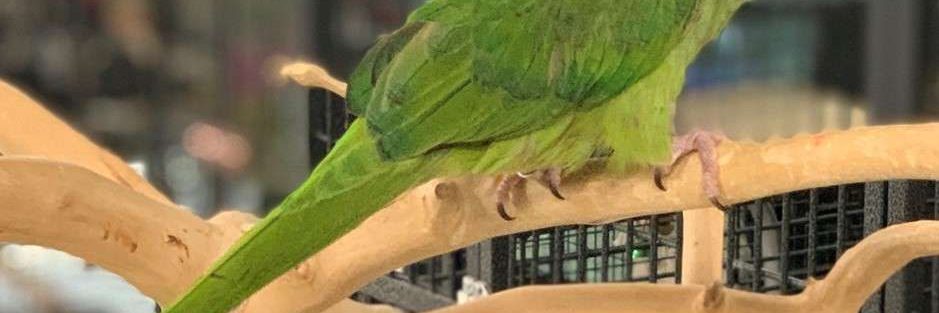
Macaw Care – How to keep your macaw healthy and happy! A macaw needs a cage tall enough to prevent its tail feathers from hitting the cage bottom, which can cause the tail feathers to bend or break. Overall a macaw needs a much larger cage and play stand than other parrot species so a potential owner should take space considerations into account.
In their natural habitat, macaws feed on native seeds, fruits, flowers, leaves, palm nuts, figs, nectar, and, in some regions, clay from exposed river banks. The dietary needs of some macaw species differ from that of other parrots because they need more fat in their diet. These wild macaw’s diet tends to be high in fat, which is acceptable for a bird that spends its day flying through the rainforest, finding food, nesting, and rearing chicks.
Companion macaws tend to have a much easier life than their wild counterparts, but they miss out on the ability to forage for their food, a behavior that comes naturally. Lafeber’s bird foods are ideal for the lively macaw, a bird that appreciates the opportunity to tear apart its meals. The berry and cake shapes of these foods invite more interaction.
Macaws Care & Feeding
Macaws originate from South America. In the wild they
travel in flocks and are very inquisitive. They are big
spectacular birds that are very vocal and generally talk
well. Their large beaks are very powerful so it is
important to take care when interacting with them and
not leave them unattend while free-roaming in the
house.
Some of the macaw species commonly available in Perth
include the Blue and Gold, Green Wing and Scarlet
Macaws.
Macaw diet
Macaw diet Being from the tropics of South America it is
believe that these species need a lot of fruit and while
fruit is an important part of their diet it should not be
their whole diet. The reason for this is that in the wild they often will travel large distances each
day, which makes them burn off the extra calories associated with a high fruit diet. In captivity,
they are generally limited to a smaller space meaning they often do not exercise as much. They
also have less variety of fruit available than they would in the wild.
Every macaw is different and has differing dietary requirements so for your own tailore dietary
plan please contact us. General guidelines for many of the macaw species can be found below:
Macaw Housing
Macaw Care – How to keep your macaw healthy and happy! Their destructive beaks can get them in trouble and they can quickly destroy furniture if left
unattende. Please keep them away from foreign objects. Please do not provide string or rope
toys as they often will fray over time and can cause a gastrointestinal obstruction if swallow.
Macaw Common diseases
Macaw Care – How to keep your macaw healthy and happy! Common diseases: One of the most common
diseases that we see in macaws is an upset
gastrointestinal tract. They will often present for
regurgitation, vomiting or diarrhoea. If you see
any of these signs we recommend a consultation
as there are many different causes and if left
untreate you may be putting your bird’s life at
risk.
Upper respiratory tract infection is characterize
by sneezing or ocular discharge and is common
in young birds. Once again it is highly advise to bring them in for an appointment as there are
a range of different causes of upper respiratory tract disease. Chlamydia infection is common in
Macaw Veterinary care
Veterinary care: Regular check-ups every 6-12 months are important as birds are very good at
hiding any illnesses that they have. These check-ups allow problems to be detecte early before
they worsen.
Microchipping is also highly recommend as we see many birds that escape each year.
Microchipping allows your contact details to be easily found if your bird is hand in to any
veterinary clinic or good rescue facility. We use a specialize small microchip that is inserted into
your bird’s pectoral muscle this is a quick simple. Procedure that can be perform in a
consultation time slot.
Macaw Birds Types, Temperament, and Care Tips
Macaws are known as the big birds of the parrot world. Consideration for this bird’s larger-than-life needs is especially important when deciding whether to keep a macaw as a pet.
What Is a Macaw?
The signature look of a macaw bird is long tail feathers vibrantly colored plumage and large powerful beaks. Some species of macaws, like blue-and-gold and scarlet macaw stand out because of their bare facial patches.
Macaws are native to Central and South America, as well as Mexico. Within their native areas, macaws inhabit a variety of environments including rainforests grasslands and woodlands.
Macaw parrots vary in size from the much smaller mini-macaw species that measure from 10–12 inches from head to tail feathers to the large hyacinth macaw which measures up to 40 inches long.
Types of Macaws
The most common macaws available as pets include:
- Blue macaw, including blue throat, Spix’s, and Lear’s macaw
- Scarlet macaw
- Blue-and-gold macaw
- Hyacinth macaw
- Green-winged macaw
- Catalina macaw
- Severe macaw
- Harlequin macaw
- Hahn’s macaw
Caring for a Macaw
Macaw parrots are generally best suited for experience bird parents or those fully prepare to meet the needs of such a large intelligent parrot also keeping in mind that the average macaw lifespan is 30 to 50 years.
Everything about macaws seems bold, from their big voices to their strong personalities. Even the mini-macaws embody a big and bold presence. While a macaw might come across as intimidating those who offer nurturing guidance know them as affectionate and sensitive companions
Macaw Health Issues
A well-cared-for macaw is generally healthy. However macaws are susceptible to certain diseases and conditions.
Proventricular Dilatation Disease (PDD)
PDD is often refer to as macaw wasting disease, as it was first document in macaws. However, other species of parrots are susceptible to this condition as well.
The disease causes muscle wasting, excessive regurgitation, and dilation of the proventriculus (the glandular portion of the stomach). PDD is incurable, but there are treatments to help reduce inflammation.
Psittacine Beak and Feather Disease
Macaws can also have an elevate risk for psittacine beak and feather disease (PBFD), a potentially fatal viral disease that leads to malformation of the beak and nails and feather loss. There is no cure for PBFD and a bird showing signs of the disease should be isolated from other birds to prevent the spread of infection.
As with most diseases and conditions, annual health checkups with your avian veterinarian can help diagnose treat and possibly prevent disease progression.
Since macaws typically have long lifespans, pet insurance can provide peace of mind by helping you manage unexpected veterinary costs and treatments. However many companies do not include birds in insurance policies or offer limit coverage. It’s worth exploring all options available.
What To Feed a Macaw
A good macaw diet should be base on a high-quality formulated pellet, like the Lafeber Premium Daily Diet or Harrison’s Adult Lifetime food, along with fresh veggies, especially green leafy vegetables, and small amounts of fruit as a treat.
Large Macaw Feeding Guide
Large Macaws thrive on a varied balance diet made up primarily of complete or pellet foods (around 60–80%) support by sprouting seeds quality seed mixes fresh vegetables fruits nuts and natural treats. Pellet options like Lafeber NutriBerries. Your Parrot blends, and TOP’s cold‑press foods provide essential nutrients while sprouting seeds offer a low‑fat highly nutritious addition. Veggies such as peppers carrots sweet potato and dark leafy greens along with fruits like mango papaya and berries supply important vitamins. Nuts—although loved by Macaws—should be given in moderation due to their high fat content. Treats from ranges like Parrot Cafe can add variety, and fresh water should always be available. Introducing new foods can take time, so small trial packs are recommend support by Northern Parrots’ 90‑day money‑back guarantee.
The Ultimate Guide to Macaw Care
Macaws are the majestic giants of the parrot family, native to the tropical rainforests of Central and South America. Characterised by their massive beaks, long streaming tails, and breathtakingly vivid colours, they are as intelligent as they are beautiful. Living with a Macaw is often describe as living with a permanent toddler. They are emotionally complex highly social and capable of extreme affection. But they also come with a powerful voice and a beak that can easily dismantle furniture.
Macaw Care Guide: Lifespan, Behavior, and What to Expect
Macaws are among the most striking and intelligent birds in the world know for their vivid plumage powerful beaks and larger-than-life personalities. Native to the tropical forests of Central and South America these colorful parrots vary widely in size from the petite Red-shoulder macaw to the impressive Hyacinth macaw, which can reach up to three feet in length. With lifespans of 30 to 50 years or more macaws are long-term companions whether observed in the wild or kept as pets. While some macaw species are thriving, others face threats ranging from habitat loss to illegal trade, making their conservation status an important consideration. Whether you’re fascinated by their beauty, intrigued by their intelligence or considering adding one to your home macaws offer a captivating blend of charm challenge and companionship.