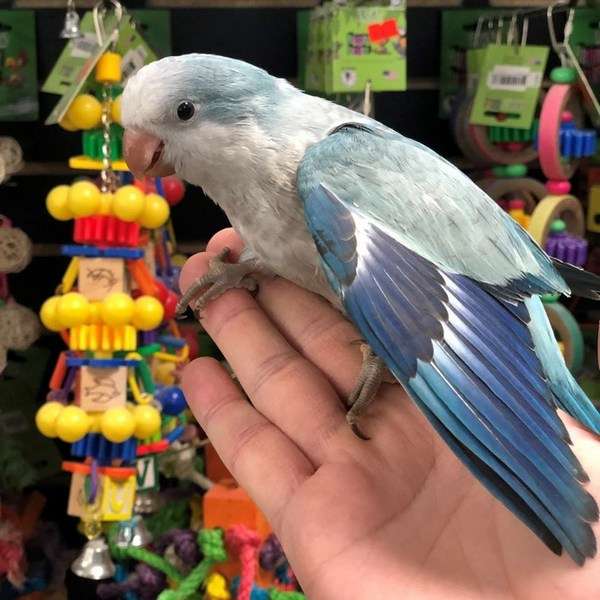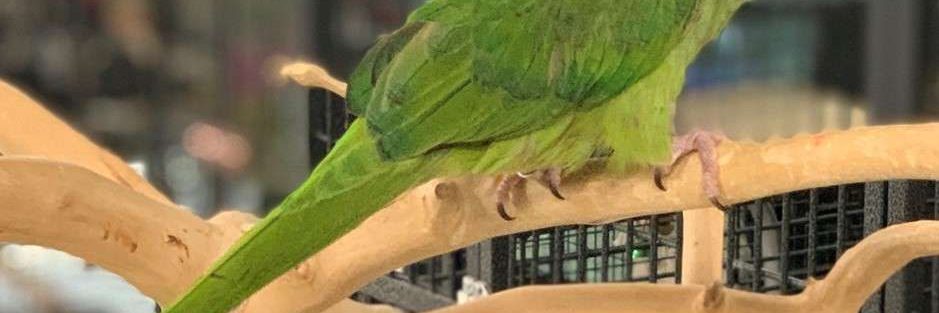
 Caiques breeding the hardest part of breeding caiques is to hit on a compatible combination of birds. They can be quite picky about their mates, and would much prefer being able to find a match themselves. Black-headed caiques, in particular, can actually become aggressive if they are forced to mate. To increase the odds, you should get about 4 or more of each gender, place their cages side-by-side, and see how they relate to each other. If they gravitate towards each other, then you’ve found a pair. Place them in a larger breeder cage but observe closely for any signs of excessive fighting. It can take many weeks for the two to “settle down”. Don’t force it, or they’ll become more aggressive and may end up attacking each other.
Purchasing a breeding pair
A Complete Beginner’s Guide
The purpose of this article is to provide a complete guide for the new pet parrot owner. Parrots have held in high regard ever since 1504 when the first live parrot was import into the UK, although the Romans keep them as pets long before this. Parrots, given the correct care and attention can be long live and so will provide your household with not just a new pet, but a life-long companion and a new family member.
Caiques parrot breeding beginners guide This is the first major purchase before selecting your new companion, there are numerous designs and styles available, at various prices, from pet shops. Whilst there are no right or wrong cages, a simple design will be easier to clean and maintain. Remember that your parrot will treat its cage as its own territory, and will happily spend large parts of the day in it, so the cage should be as spacious as possible, and should allow the bird to at least be able to spread its wings.
Cages
Caiques parrot breeding beginners guide The bottom of the cage needs to be cover with something that can be change regularly, this can be shred paper or wood-shavings, but these tend to get blown about and make a mess around the cage. The best floor covering is old newspaper, this is cheap and readily available so that it can be change daily.
Location of the cage is also very important. Birds are very sensitive to fumes and gases, hence the use of canaries to detect dangerous gases in coal mines. If you notice a smell or fumes move the cage to another room with good ventilation, fumes can arise from cleaning products, aerosol sprays, new paint, cigarette smoke, cooking gas, self cleaning ovens, carbon monoxide from household boilers and car exhausts, etc. Cages should not be position in the kitchen as fumes from everyday cooking can prove fatal.
Diet or polly filler
Caiques parrot breeding beginners guide Your parrot should be fed at least once a day, with tit-bits offered as available. Most pet shops sell “parrot mix” or possibly parrot pellets, but neither of these will form a complete diet. A good selection of fresh fruit and vegetables should also be offer every day. Peanuts if offer should be those sold for human consumption, as the ones sometimes sale in pet stores may be infect with a fungus which will lead to aflatoxin poisoning. Anything that we eat can be offer in moderation including, cooked meat and bones, also cooked fish, tinned fruit, cheese, plain biscuit, etc. Chocolate
Keeping polly happy
Although your parrot’s cage is its castle, it should be let out under supervision at least once a day, never leave your parrot out unattend as this can result in chew furniture or wall paper.
A wide range of toys is now available from pet shops, the best one is make from natural products like wood and hemp rope. The purpose of these toys is to give your bird things to chew and destroy, so every day things which can be see around the house are just as suitable, such as, cardboard boxes and empty toilet rolls. Fresh cut branches from non poisonous trees are also require. Also try placing objects such as large pieces of fruit on top of the cage so that the bird has to climb up to get it, thus exercising your parrot.
Selecting your new pet