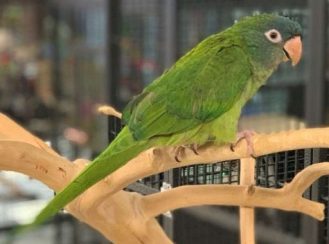
How to Care for a Hyacinth Macaw is a rewarding experience, but it also requires dedication, knowledge, and proper preparation. Known as the largest flying parrot in the world, the Hyacinth Macaw is admired for its stunning cobalt-blue feathers, strong personality, and remarkable intelligence. However, these beautiful birds require specialized care to remain healthy, happy, and well-socialized.
In this complete guide, you’ll learn everything you need to know about how to care for a Hyacinth Macaw, including housing, diet, training, health care, and daily routines.
Understanding the Hyacinth Macaw Personality
How to Care for a Hyacinth Macaw Before bringing a Hyacinth Macaw home, it’s essential to understand their personality and behavior.
How to Care for a Hyacinth Macaw are intelligent, affectionate, and highly social birds. They form strong bonds with their owners and thrive on daily interaction. These birds are often described as gentle giants due to their friendly nature, but they can also become loud or destructive if they feel bored or neglected.
Because of their intelligence, Hyacinth Macaws need mental stimulation. Without enough attention and enrichment, they may develop behavioral problems such as feather plucking, screaming, or biting.
Key personality traits include:
- Highly intelligent and curious
- Very social and affectionate
- Strong bonding with owners
- Loud vocalizations
- Long lifespan (50–60 years or more)
Understanding their personality helps you create an environment that meets their emotional and physical needs.
Choosing the Right Cage for a Hyacinth Macaw
Housing is one of the most important aspects of caring for a Hyacinth Macaw.
Because of their large size, these birds require spacious cages that allow free movement. A small cage can lead to stress, health problems, and destructive behavior.
Recommended cage requirements:
- Minimum size: 36″ x 48″ x 60″ (larger is better)
- Strong metal bars (Hyacinth Macaws have powerful beaks)
- Horizontal bars for climbing
- Multiple perches of different sizes
- Food and water bowls made from stainless steel
Place the cage in a location where your bird can interact with family members but away from drafts, direct sunlight, or kitchen fumes.
A large play stand outside the cage is also recommended to allow exercise and exploration.
Feeding a Healthy Hyacinth Macaw Diet
Diet plays a major role in maintaining the health and longevity of a Hyacinth Macaw.
These parrots require a balanced diet rich in nutrients, vitamins, and healthy fats. In the wild, Hyacinth Macaws eat palm nuts, seeds, fruits, and vegetation.
A healthy daily diet should include:
High-Quality Pellets
Pellets should make up about 60–70% of your macaw’s diet. Choose premium pellet brands formulated specifically for large parrots.
Pellets provide balanced nutrition and reduce the risk of vitamin deficiencies.
Fresh Fruits and Vegetables
Fresh foods should make up 20–30% of the diet.
Safe fruits and vegetables include:
- Apples (without seeds)
- Bananas
- Mango
- Papaya
- Carrots
- Sweet potatoes
- Spinach
- Broccoli
- Bell peppers
Rotate fruits and vegetables daily to provide variety and nutrition.
Nuts and Seeds
Hyacinth Macaws require higher fat intake than many parrots. Nuts are especially important.
Recommended nuts include:
- Macadamia nuts
- Brazil nuts
- Walnuts
- Almonds
- Coconut pieces
Offer nuts in moderation to avoid obesity.
Fresh Water
Always provide clean drinking water. Replace water at least twice daily.
Foods to Avoid
Some foods are toxic to parrots and must never be fed.
Avoid:
- Chocolate
- Caffeine
- Avocado
- Alcohol
- Onion
- Garlic
- Salted snacks
- Sugary foods
These foods can cause serious illness or even death.
Daily Exercise and Physical Activity
Hyacinth Macaws are active birds that require daily exercise.
Without exercise, they may gain weight, develop health problems, or become bored.
Provide:
- 3–5 hours of supervised out-of-cage time daily
- Climbing ropes and ladders
- Swing perches
- Large play stands
- Safe flying space (if wings are not clipped)
Exercise helps maintain muscle strength and mental well-being.
Mental Stimulation and Enrichment
Hyacinth Macaws are among the most intelligent parrots. They need mental stimulation to stay healthy and happy.
Provide:
- Puzzle toys
- Chew toys
- Foraging toys
- Rotating toy selections
- Training sessions
Rotate toys weekly to prevent boredom.
Wooden toys are especially important because these birds enjoy chewing and destroying objects.
Training Your Hyacinth Macaw
Training helps build trust and prevents unwanted behaviors.
Start with basic commands:
- Step up
- Step down
- Recall training
- Target training
Use positive reinforcement, such as praise or small treats, to reward good behavior.
Never punish your macaw. Punishment can damage trust and cause aggression.
Short daily training sessions (10–15 minutes) are ideal.
Social Interaction and Bonding
Hyacinth Macaws are highly social birds and require daily interaction.
Spend time:
- Talking to your bird
- Playing games
- Offering treats
- Grooming feathers gently
If left alone too often, they may become depressed or develop destructive habits.
Households with regular human activity are ideal environments.
Grooming and Hygiene
Proper grooming keeps your Hyacinth Macaw clean and healthy.
Important grooming tasks include:
Bathing
Offer bathing opportunities 2–3 times per week.
Options include:
- Spray misting
- Shallow bathing dishes
- Shower perches
Bathing helps remove dust and keeps feathers in good condition.
Nail Trimming
Trim nails when they become sharp or overgrown.
If you’re unsure how to do this safely, consult a veterinarian.
Beak Care
Hyacinth Macaws naturally maintain their beaks through chewing. Provide safe chew toys to support natural beak wear.
Maintaining a Safe Environment
Safety is crucial when caring for large parrots.
Common household hazards include:
- Non-stick cookware fumes
- Toxic plants
- Electrical wires
- Open windows
- Ceiling fans
Always supervise your macaw outside the cage.
Avoid using cleaning chemicals near your bird.
Recognizing Signs of Illness
Early detection of illness can save your macaw’s life.
Watch for symptoms such as:
- Loss of appetite
- Fluffed feathers
- Lethargy
- Weight loss
- Breathing difficulty
- Changes in droppings
If you notice any unusual symptoms, contact an avian veterinarian immediately.
Annual veterinary checkups are recommended.
Understanding Hyacinth Macaw Lifespan
Hyacinth Macaws have exceptionally long lifespans.
With proper care, they can live:
50–60 years or more
This makes them a lifetime commitment. Potential owners should be prepared for decades of care and companionship.
Creating a Daily Care Routine
Consistency helps Hyacinth Macaws feel secure.
A sample daily routine includes:
Morning:
- Fresh food and water
- Social interaction
- Training session
Afternoon:
- Exercise and playtime
- Toy rotation
Evening:
- Quiet bonding time
- Cage cleaning
- Fresh water replacement
Routine helps prevent stress and behavioral issues.
Cleaning and Cage Maintenance
Maintaining a clean environment reduces the risk of disease.
Cleaning schedule:
Daily:
- Remove food waste
- Replace water
- Clean droppings
Weekly:
- Wash food bowls
- Disinfect perches
- Replace cage liners
Monthly:
- Deep clean cage
- Sanitize toys
Use bird-safe cleaning products only.
Noise and Vocalization Management
Hyacinth Macaws are naturally loud birds.
They vocalize to communicate, express excitement, or seek attention.
Ways to manage noise:
- Provide attention regularly
- Offer toys and enrichment
- Maintain consistent routines
- Avoid reinforcing screaming behavior
Never shout back, as this may encourage louder vocalization.
Preventing Behavioral Problems
Most behavior issues result from boredom or lack of attention.
Common problems include:
- Feather plucking
- Screaming
- Biting
- Destructive chewing
Prevention strategies:
- Provide daily interaction
- Offer stimulating toys
- Maintain routine
- Use positive reinforcement training
A well-stimulated macaw is usually a well-behaved macaw.
Is a Hyacinth Macaw Right for You?
Owning a Hyacinth Macaw is a serious responsibility.
Before adopting one, consider:
- Time commitment
- Financial costs
- Space requirements
- Noise tolerance
- Long lifespan commitment
These birds are not suitable for people with limited time or small living spaces.
However, for dedicated owners, they provide lifelong companionship and unforgettable experiences.
Final Thoughts on Caring for a Hyacinth Macaw
Learning how to care for a Hyacinth Macaw is essential before bringing one home. These magnificent parrots require attention, space, nutrition, and mental stimulation to thrive.
With proper care, patience, and commitment, a Hyacinth Macaw can become a loving companion and a treasured member of your household for decades.
Providing the right environment, diet, and interaction ensures your macaw stays healthy, happy, and full of life.
